

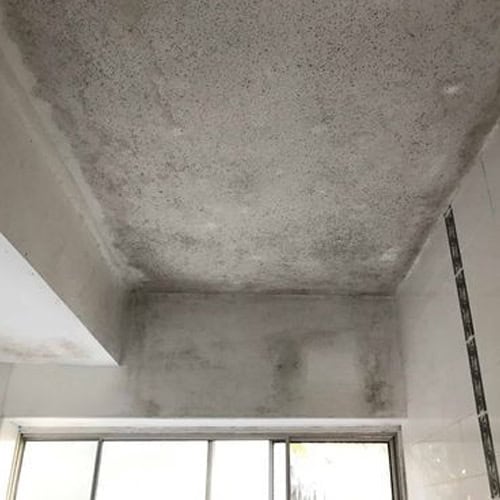
If you’ve ever stepped into your bathroom, looked up, and noticed black or grey patches spreading across the ceiling, you’re definitely not alone. In Singapore, mould grow on bathroom ceiling is extremely common, whether you’re staying in an HDB flat, condo, or even a landed property.
Most homeowners assume it’s just part of the climate and try to clean it off or repaint. But the truth is, mould doesn’t appear randomly. It’s always a result of moisture + poor conditions, and understanding the root cause is the key to stopping it from coming back.
The Perfect Environment for Mould in Singapore
Before diving into specific causes, it’s important to understand why bathrooms in Singapore are especially prone to mould. We live in a hot, humid climate where humidity levels often exceed 80%. Bathrooms are already wet areas, and when you combine that with:
- Daily hot showers
- Limited ventilation in many flats
- Enclosed layouts
You get the perfect breeding ground for mould growth. All mould requires is moisture and warm temperature, together with a surface to grow on and your bathroom ceiling fulfils all these conditions perfectly.
1. Steam from Hot Showers (The Most Common Cause)
This is by far the biggest reason for mould on bathroom ceilings. Every time you take a hot shower, steam rises and condenses on cooler surfaces, especially the ceiling.
In many Singapore homes:
- Bathrooms have no windows
- Ventilation is limited
- Steam lingers for long periods
When moisture sits on the ceiling repeatedly, it creates the ideal condition for mould to grow. You’ll usually see this as:
- Black spots directly above the shower area
- Mould forming in corners of the ceiling
- Gradual spreading over time
2. Poor Ventilation
Even with regular cleaning, mould will keep coming back if the bathroom doesn’t have proper airflow. Older HDB flats or internal bathrooms often rely on small ventilation openings and weak or non-existent exhaust fans. Without proper air circulation, moisture gets trapped inside the bathroom, which leads to:
- Condensation on ceilings and walls
- Longer drying time after showers
- Increased mould growth
In many cases, improving ventilation alone can significantly reduce mould problems.
3. Condensation from Temperature Differences
This is something many homeowners overlook. When there is a temperature difference between the bathroom interior and surrounding areas, condensation can form. For instance, hot shower creates warm, moist air but ceiling slab remains relatively cool. As the warm air hits the cooler ceiling, water droplets form, just like how condensation appears on a cold drink.
Over time, repeated condensation leads to damp surfaces, which encourages mould growth.
4. Use of the Wrong Paint or Materials
Not all ceiling paints are suitable for bathrooms. If standard paint is used instead of anti-mould or moisture-resistant paint, it becomes easier for mould to grow.
Some common issues include:
- Paint absorbing moisture
- Lack of resistance to fungal growth
- Peeling or bubbling over time
In Singapore, bathrooms should ideally be painted with anti-fungal or anti-mould coatings, especially in areas exposed to steam.
5. Water Seepage from Upstairs Unit
If mould appears on your bathroom ceiling but not directly above your shower area or if it worsens even when you keep your bathroom dry, it could be due to leakage from the unit above. This is quite common in HDB flats and condos and some possible causes are as such:
- Failed waterproofing in the upstairs bathroom
- Leaking floor traps
- Concealed pipe leaks
In such cases, mould is just a symptom of a bigger issue which is water seeping through the ceiling slab and creating damp conditions.
6. Cracks in Ceiling or Slab
Hairline cracks in the ceiling may not seem like a big deal, but they can allow moisture to penetrate. This can happen due to building movement over time, poor plastering work or previous water damage.
Once water enters these cracks, it becomes trapped within the structure, leading to mould formation on the surface.
7. Infrequent Cleaning and Maintenance
Sometimes, mould builds up simply because the ceiling is not cleaned regularly. Bathrooms are often cleaned at eye level. Tiles, sinks, toilet bowls are what we usually clean but ceilings are usually neglected. Over time, soap residue, dust and moisture combine to create a surface where mould can easily grow. Even a well-ventilated bathroom can develop mould if maintenance is poor.
8. Constant Damp Conditions
If your bathroom never fully dries, mould will eventually appear. This can happen when:
- Wet clothes are hung inside the bathroom
- Water splashes frequently onto walls and ceilings
- There is no drying time between uses
In many Singapore households, especially larger families, bathrooms are used frequently throughout the day, leaving little time for surfaces to dry completely.
How to Tell Which Cause Applies to You
Understanding the exact cause helps you fix the problem properly. Below is a quick guide we can follow:
- Mould above shower area? Likely steam and ventilation issue
- Mould spreading across entire ceiling? Poor airflow or constant dampness
- Mould with water stains or peeling paint? Possible leakage from upstairs
- Mould appearing quickly after repainting? Paint or material issue
If you’re unsure about the cause, it’s best to monitor the pattern or get a professional inspection.
Why Simply Cleaning Isn’t Enough
A common mistake homeowners make is just wiping off the mould and thinking the problem is solved. While cleaning helps temporarily, it doesn’t address the root cause. If moisture is still present, mould will return, sometimes within weeks. This is why many people feel like they are “constantly cleaning mould” without any long-term solution.
Preventing Mould on Bathroom Ceilings
Once you understand the root cause, prevention becomes much easier.
- Improve Ventilation
- Install or upgrade exhaust fans
- Open bathroom doors after showers
- Allow airflow whenever possible
- Reduce Moisture Build-Up
- Use cooler water for showers when possible
- Limit long, steamy showers
- Dry surfaces after use
- Use Proper Paint
- Apply anti-mould or anti-fungal ceiling paint
- Repaint periodically if needed
- Monitor for Leaks
- Check for water stains or damp patches
- Address leakage issues early
- Regular Cleaning
- Clean ceiling surfaces periodically
- Use anti-mould solutions
Mould on bathroom ceilings is a common issue in Singapore, but it’s not something you have to live with. It’s usually caused by a combination of moisture, poor ventilation, and environmental factors. Whether it’s steam from daily showers, condensation, or hidden leaks, identifying the root cause is the key to solving the problem for good.
Instead of repeatedly cleaning or repainting, take a step back and look at what’s really causing the mould. Once you address that, keeping your bathroom clean and mould-free becomes much easier and far less frustrating.
Mould forming on the bathroom ceiling is often a clear sign of excessive moisture, poor ventilation, water seepage, or hidden waterproofing issues that should not be ignored. If left untreated, it can continue to spread, damage your ceiling surface, affect indoor air quality, and lead to more costly repair works in the future.
For homeowners, addressing the root cause early is the best way to prevent further deterioration and protect the long-term condition of your property. If you are noticing persistent mould growth, water stains, or signs of dampness in your bathroom ceiling, it is advisable to engage a trusted waterproofing and repair specialist.
SWC Construction provides professional inspection and effective repair solutions to identify the source of the problem and restore your bathroom ceiling safely and efficiently.
Contact SWC Construction today for expert advice and reliable toilet bathroom waterproofing solutions tailored to your home.