


There are 7 types of water ceiling leakage repair in Singapore. As ceiling water leaks are a common problem in many Singapore homes, especially in HDB flats and condominiums. Being stationed in Singapore humid climate and frequent rainfall, water-related issues tend to surface more often, and ceiling stains, bubbling paint, or damp patches are usually early signs. These problems can come from varied sources, such as damaged waterproofing, leaking pipes, faulty air-conditioning systems, or even plumbing problems in a neighbouring unit.
When leaks aren’t fixed quickly, they can lead to more long term damage like mold, rotting ceilings, and expensive repairs. Understanding the type of leak helps in choosing the right repair method.
With these 7 types of common ceiling water leakage repair methods used in Singapore that SWC construction has encountered in our many years of experience dealing with celling leakages.
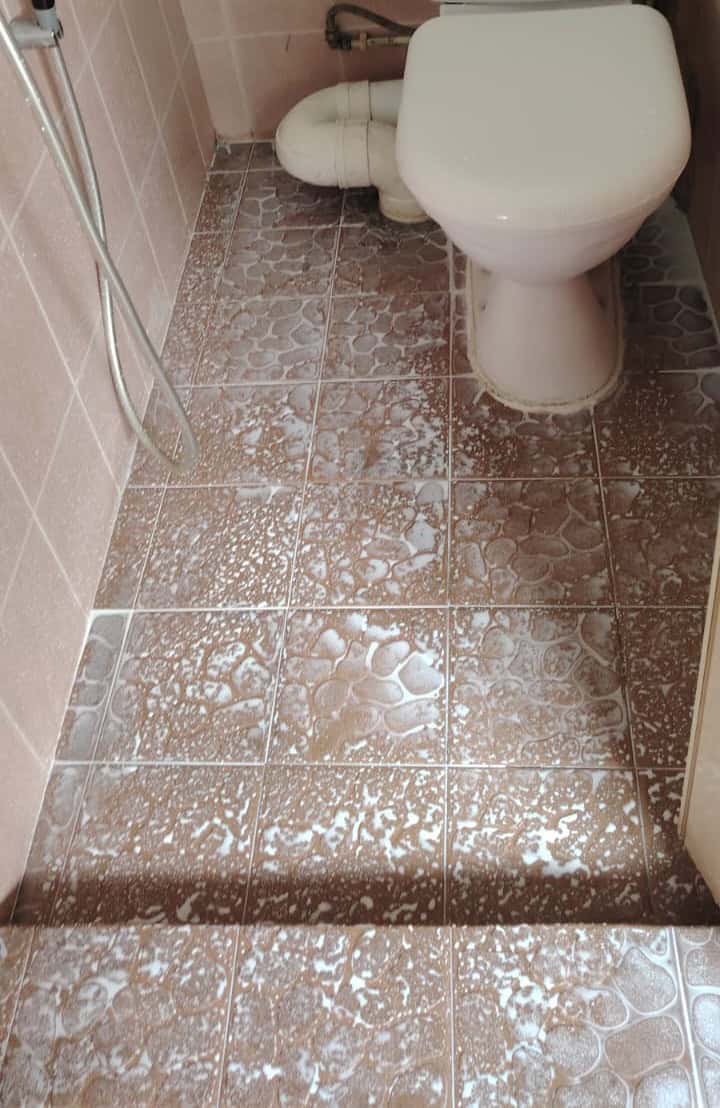
1. Waterproofing the Bathroom Above
- Where it happens: Typically in HDB flats or condominiums with units stacked vertically.
- Cause: The waterproof membrane beneath the bathroom floor tiles in the unit above may have deteriorated, allowing water to seep through to the ceiling below. This issue can also be further escalated with cracks in the grout in between the floor tiles which will allow water seepages into the ground below.
- Repair Method:
- Non-hacking method: SWC applies liquid waterproofing solution directly on top of the existing tiles. This seals the floor without removing tiles. SWC also regrouts the damaged or aged grout to ensure the longevity of waterproofing.
- Hacking method: Old tiles are removed, a new waterproofing membrane is installed, and new tiles are laid. Most owners will not prefer this method as the cost is exponentially higher and down time of the toilet is longer.
2. Pipe Replacement
- Where it happens: Inside ceiling layers or walls, particularly in older buildings.
- Cause: Water leakage due to cracked, corroded, or poorly joined pipes. This is highly prevalent in older buildings due to the common use of mental pipes in the past which after some time, rust and corrode so it starts to have water leakages issue. Water leakages at pipes is also prevalent in the elbow joints of the pipes where there is a change in direction or a linkage between pipes.
- Repair Method:
- Identify the leaking pipe using visual inspection, thermal imaging, or moisture detection tools. SWC utilises the ultrasonic leak detection method as well by listening into the ceiling and walls to hear the exact area of the water leak.
- Remove sections of false ceiling or walls to access the pipe.
- Replace the damaged section of the pipe with new piping and seal the joints securely.
- Reinstate the ceiling or wall if necessary.

3. Injection Grouting
- Where it happens: In concrete ceilings or slabs with visible or hidden cracks.
- Cause: Water seeps through structural cracks in concrete due to poor construction, aging, or water pressure. It’s common for homeowners to assume that the concrete is solid and water will not be able to penetrate through those areas. However, in SWC’s many years of experience, this is one of the most common causes of water leakage. Water travels down the ground through the micro cracks and to the unit below.
- Repair Method:
- Drill small holes at specific points along the crack line, so that we can identify the areas and install a packer to the area for the polyurethane injection grouting.
- Inject waterproof chemicals such as polyurethane (PU) or epoxy resin into the cracks. By using this method, SWC ensures that even the smallest area of cracks can be targeted and rectified.
- These materials expand or bond inside the cracks upon exposure to water and prevent further leakage.
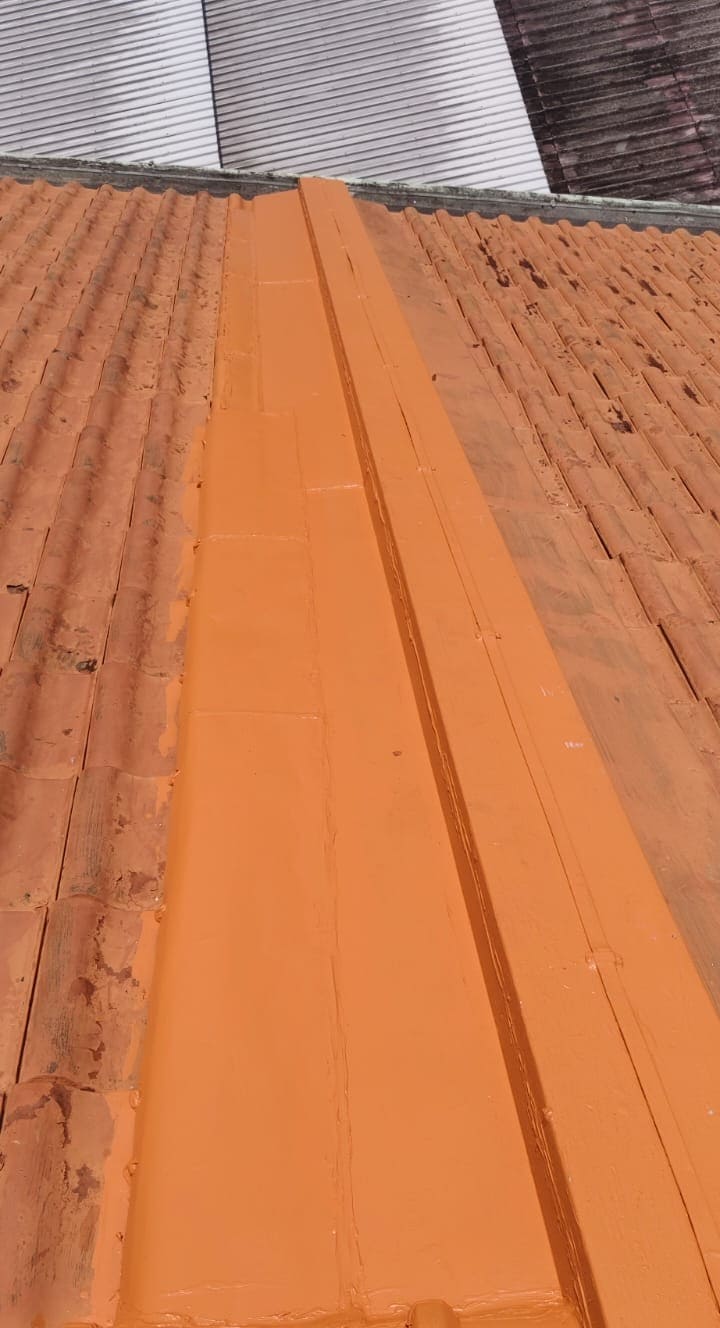
4. Roof Repairs (For Top Floor Units)
- Where it happens: Only in top-floor HDB, condo, or landed property units.
- Cause: Damaged roof tiles, worn-out waterproofing membranes, or poor drainage. Due to old age or structural movement, roof tiles often shift around or crack and water will enter through those areas.
- Repair Method:
- Inspect the roof for damaged or missing tiles, cracks, or blocked drainage.
- Replace or repair roof tiles.
- Re-apply or install a new waterproofing membrane to ensure water tightness.
5. Aircon Pipe Insulation
- Where it happens: Near or around air-conditioning piping, usually along the ceiling edge.
- Cause: Condensation on aircon pipes due to poor insulation, leading to water droplets forming and staining the ceiling. Homeowners often mistake this form of leakage with pipe damages.
- Repair Method:
- Remove old or degraded insulation around the pipes.
- Install new, high-quality insulation material (typically foam or rubber).
- Ensure all pipe joints are sealed tightly to avoid future condensation issues.
6. Neighbour’s Water Tank or Plumbing Leak
- Where it happens: In apartments, especially in condos or multi-storey landed properties.
- Cause: A leak from the neighbouring unit’s plumbing system, water tank, or bathroom fixtures.
- Repair Method:
- Coordinate with the affected neighbour to inspect their plumbing system.
- Identify the source of the leak (e.g., tank overflow, burst pipe, loose fitting).
- Repair or replace faulty components in the neighbour’s unit.
- Once the source is fixed, carry out any ceiling restoration work needed in your unit.
7. Ceiling Re-Sealing or Repainting
- Where it happens: On the interior ceiling surface.
- Cause: After a leak is repaired, the ceiling may be stained, flaky, or mouldy.
- Repair Method:
- Scrape off damaged or bubbling paint and clean the affected area.
- Apply anti-mold treatment if mold is present.
- Use a waterproof sealer or primer followed by repainting with water-resistant ceiling paint. This will usually be used to complement the existing work already done to rectify the issues and this acts as the complementary layer after the works.
In conclusion, SWC Construction emerges as the most effective solution to address ceiling water leakages in Singapore due to its specialized expertise, advanced waterproofing technologies, and deep understanding of the local climate.
Singapore’s high humidity and frequent rainfall make residential and commercial buildings particularly susceptible to water infiltration, especially in older HDB flats and condominiums. SWC Construction utilizes proven methods such as PU grouting, waterproofing membrane systems, and non-invasive diagnostics to detect and resolve the root causes of leakage rather than just addressing surface symptoms. Their commitment to quality workmanship, coupled with the use of durable, weather-resistant materials, ensures long-lasting protection against recurring leaks. Moreover, SWC Construction complies with BCA and HDB guidelines, providing homeowners peace of mind with reliable and regulation-compliant repairs.
With a strong track record and responsive customer service, we stand out as a trusted partner in preserving property value and indoor comfort. Given Singapore’s dense urban housing and unique building regulations, engaging a specialist like SWC Construction ensures not only timely resolution but also preventive measures that minimize future risks. For effective, lasting, and professional ceiling leak repair, SWC Construction remains the top choice in Singapore’s demanding construction and maintenance landscape.