
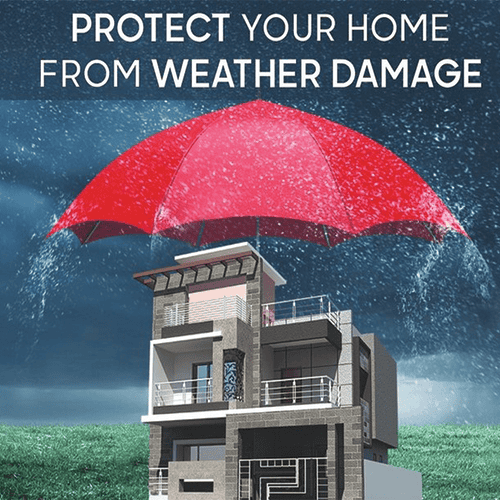
Water damage is a significant concern for homeowners in Singapore’s humid and tropical climate. From persistent bathroom leaks to insidious water seepage in concrete slabs, waterproofing issues can lead to costly repairs and structural damage. Choosing the right waterproofing method is crucial to protect your investment and ensure the longevity of your property. There are various waterproofing solutions available in Singapore, addressing common concerns and best approach for your HDB flat, condominium, or landed property.
Which Waterproofing Method is Best for Singapore Housing?
There’s no single “best” waterproofing method universally applicable to all Singaporean homes. The optimal choice depends on several factors, including:
The type of structure:
HDB flats, condominiums, and landed properties have different structural designs and materials, requiring tailored waterproofing solutions.
The location of the leak:
Waterproofing needs differ significantly for bathrooms, balconies, roofs, basements, and external walls.
The extent of the damage:
Minor leaks may require simple repairs, while extensive water damage necessitates more comprehensive interventions.
The budget:
Waterproofing solutions range in cost, from relatively inexpensive surface treatments to complex, high-tech systems.
Common Waterproofing Types in Singapore
Singapore’s tropical climate, characterized by high humidity and heavy rainfall, necessitates robust waterproofing solutions for buildings. Commonly used methods include membrane waterproofing, cementitious coatings, and polyurethane (PU) injection grouting. Membrane waterproofing is often suitable for roofs and balconies, while cementitious coatings are commonly used for bathrooms and wet areas. PU injection grouting is ideal for addressing cracks and leaks in concrete structures.
Several waterproofing methods are commonly employed, each with its strengths and weaknesses.
1. Cementitious Waterproofing:
This is a widely used method, particularly for concrete structures. It involves applying a cement-based coating to create a waterproof barrier. The ease of application and relatively low cost make it popular for various applications, including basements, walls, and foundations. However, its rigidity can be a drawback in areas prone to movement or cracking.
Cementitious Coatings are water-based or solvent-based coatings applied to concrete surfaces. They form a protective barrier that prevents water penetration. Cementitious coatings are relatively inexpensive and easy to apply, making them suitable for bathrooms, wet areas, and internal walls.
2. Polyurethane (PU) Injection Grouting:
Polyurethane (PU) Injection Grouting method involves injecting polyurethane resin into cracks and fissures in concrete structures. The resin expands to fill the voids, sealing the cracks and preventing water penetration. PU injection grouting is effective for treating cracks in concrete slabs, walls, and foundations. It’s often used as a remedial solution for existing leaks.
PU membranes are popular due to their flexibility and ability to form a seamless, waterproof layer. They effectively seal cracks and reduce water absorption in concrete. This makes them suitable for various applications, including roofs, balconies, and decks. However, proper application is crucial to avoid potential health hazards associated with uncured polyurethane fumes.
3. Bituminous Coating Membrane:
Also known as asphalt, this is a sticky, viscous material applied as a liquid and drying to form a waterproof layer. It’s commonly used for roofs, basements, and other areas needing waterproofing. However, its lifespan can be reduced by extreme temperatures and UV exposure.
This involves applying a flexible waterproof membrane over the surface to be protected. Common materials include bitumen, EPDM rubber, PVC, and TPO. Membrane waterproofing is durable, flexible, and effective in preventing water penetration. It’s often used for roofs, balconies, and external walls.
The choice of the most suitable waterproofing method depends on factors such as the type of structure, location, budget, and specific requirements. A qualified waterproofing contractor can assess the situation and recommend the most appropriate solution.
HDB and BCA Regulations for Waterproofing Systems
The Housing and Development Board (HDB) and the Building and Construction Authority (BCA) in Singapore have strict regulations regarding waterproofing in buildings. These regulations cover various aspects, including:
Material specifications:
Approved materials must meet certain performance standards to ensure durability and effectiveness.
Installation methods:
Contractors must follow specified installation procedures to guarantee proper waterproofing.
Testing and inspection:
Waterproofing systems must undergo rigorous testing to verify their effectiveness.
Warranty periods:
Contractors typically provide warranties for their waterproofing work, ensuring that defects are rectified.
Non-compliance with these regulations can result in penalties for contractors and potential structural issues for homeowners. It’s crucial to engage BCA-licensed waterproofing contractors to ensure compliance and avoid future problems.
Factors Contributing to Poorly Installed Waterproofing
Poorly installed waterproofing can lead to costly repairs and significant structural damage. Common causes include:
Inadequate surface preparation:
The surface must be clean, dry, and free of cracks before applying waterproofing materials. Failure to properly prepare the surface can compromise the effectiveness of the waterproofing system.
Incorrect application methods: Waterproofing materials must be applied according to the manufacturer’s instructions. Improper application can lead to voids, gaps, and weak points in the waterproofing layer.
Use of substandard materials:
Using low-quality materials can result in a waterproofing system that fails prematurely.
Lack of proper curing: Waterproofing materials often require a specific curing time to achieve their full strength and effectiveness. Insufficient curing can weaken the waterproofing system.
Damage during construction:
Waterproofing can be damaged during the construction process, compromising its effectiveness.
What is the Best Choice for Waterproofing?
The best choice for waterproofing depends heavily on the specific circumstances. For new construction, incorporating crystalline waterproofing into the concrete mix is highly effective. For existing leaks in concrete structures, PU injection grouting is often the most effective solution. For roofs and balconies, membrane waterproofing offers excellent protection. For bathrooms and wet areas, cementitious coatings provide a cost-effective and reliable solution. A thorough assessment of the specific situation is necessary to determine the optimal waterproofing method.
How to Select a Reliable Waterproofing Contractor in Singapore
Choosing a reliable waterproofing contractor is crucial to ensure the success of your waterproofing project. Consider the following factors:
BCA License:
Ensure the contractor holds a valid BCA license for waterproofing works. This indicates compliance with industry standards and regulations.
Experience and Reputation:
Check the contractor’s experience and track record. Look for reviews and testimonials from past clients.
Warranty:
A reputable contractor should have adequate insurance coverage and offer a warranty for their work.
Detailed Quotation:
Obtain a detailed quotation that specifies the materials, methods, and costs involved.
References: Ask for references from previous clients to assess the contractor’s reliability and quality of work.
Waterproofing Services for Different Property Types in Singapore
HDB Flats:
HDB flats often require waterproofing solutions for bathrooms, kitchens, and balconies. Common methods include cementitious coatings, membrane waterproofing, and PU injection grouting for crack repairs. Regular maintenance is crucial to prevent leaks and water damage.
Condominiums:
Condominiums may require more extensive waterproofing solutions due to their larger size and complex designs. Membrane waterproofing is often used for roofs and balconies, while cementitious coatings and PU injection grouting are used for internal wet areas and crack repairs.
Landed Properties:
Landed properties often require more specialized waterproofing solutions due to their unique structural designs and materials. This might involve a combination of membrane waterproofing, cementitious coatings, and PU injection grouting. Regular inspections and maintenance are crucial to prevent significant water damage.
Addressing Specific Waterproofing Issues
Waterproofing Leaks:
Leaks can manifest in various ways, from dripping ceilings to damp walls. Identifying the source of the leak is the first step in addressing the problem. Leak detection services, including thermal imaging, can help pinpoint the location of the leak. Once the source is identified, appropriate waterproofing methods can be applied.
Bathroom Leaks:
Bathroom leaks are a common problem, often caused by faulty plumbing or inadequate waterproofing. Regular maintenance, including checking sealant and grout, can prevent leaks. If a leak occurs, it’s crucial to address it promptly to prevent further damage.
Water Seepage:
Water seepage can indicate a more serious waterproofing problem. It often requires more extensive repairs, such as PU injection grouting or membrane waterproofing.
Concrete Slab Dampness:
Dampness in concrete slabs can be caused by inadequate waterproofing or cracks in the slab. Solutions include applying cementitious coatings or using PU injection grouting to seal cracks.
SWC Construction stands out as a leading provider of PU grouting services in Singapore. With a reputation built on exceptional customer reviews and a commitment to quality workmanship, SWC Construction is your trusted partner for resolving waterproofing leaks and ensuring the structural integrity of your property. Our expertise in PU injection grouting makes them the ideal choice for addressing cracks and leaks in concrete structures, offering a long-lasting and effective solution to your waterproofing concerns. Our high customer satisfaction ratings speak volumes about their commitment to excellence.
Remember to always consult with a qualified and licensed waterproofing contractor to assess your specific needs and choose the most appropriate solution for your home.
Contact us now for a customised waterproofing solution that are suitable for you and your property.