

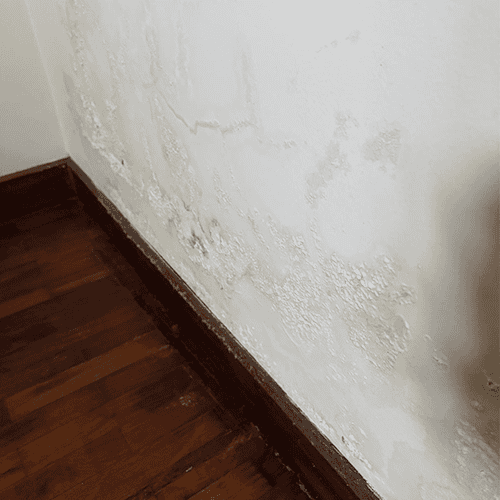
A leak appearing in the corner of the living room is one of the most confusing issues faced by homeowners in Singapore. There is often no bathroom nearby, no visible pipe near the surroundings, but yet water stains slowly spread along the ceiling edge or wall corner to a larger area.
This type of leakage is especially common in HDB flats, condominiums, and landed properties, where living rooms are usually located along external walls, balconies, or windows. Because water can travel within concrete slabs and beams, the visible leak point is rarely the actual source where the leak is happening.
Let’s read on and find out the real root causes of living room corner leaks in Singapore homes, how to identify them accurately, and some recommended actions homeowners can take on their own before costly and unnecessary repairs begin.
Why Living Room Corner Leaks Are Common in Singapore Homes
Living room corner leaks are more common in Singapore than many homeowners expect, largely due to the country’s tropical climate and typical building designs. Singapore experiences frequent heavy rainfall, often accompanied by strong winds that drive rainwater horizontally against building facades. Unlike normal rainfall that flows downward, wind-driven rain increases pressure on external walls, allowing water to penetrate hairline cracks, gaps in sealants, or weakened waterproofing layers. Living room corners located along external walls are therefore especially vulnerable to prolonged weather exposure.
The intense rainfall in Singapore consistently high humidity accelerates the deterioration of construction materials. Over time, paint, plaster, sealants, and waterproofing membranes can weaken, shrink, or develop micro-cracks. Once moisture enters these compromised areas, it becomes trapped within the wall structure. Damp patches, bubbling paint, and water stains often appear at corners because these areas are natural collection points for internal moisture movement.
Structure corners, are junctions where walls, floor slabs, and beams meet and they are the stress points within a building. Minor structural movements caused by temperature changes, building settlement, or daily load stress can create fine cracks at these junctions. Waterproofing systems must bridge these transitions, and over time, these areas are more prone to failure. When water penetrates the structure, it often travels internally and exits at corners, which are typically the weakest points.
The layout of many Singapore homes also contributes to this issue. Living rooms are frequently located beside balconies, planter boxes, large window panels, or even bathroom walls. If waterproofing fails in any of these adjacent areas, water can migrate through the concrete and eventually surface at the nearest vulnerable junction — commonly the living room corner. For instance, a failed balcony waterproofing membrane or deteriorated window sealant may allow rainwater to seep in and travel along internal pathways before becoming visible indoors.
Furthermore, aging waterproofing systems significantly increase the risk of leakage. Over time, membranes lose elasticity, sealants shrink, and protective coatings deteriorate. Older HDB flats, condominiums, and landed properties are particularly susceptible if waterproofing has not been properly maintained or upgraded. Because corners are structural stress concentration areas, they are often the first visible signs of deeper waterproofing failure.
In many cases, water does not enter at the exact location where it becomes visible. Instead, it infiltrates elsewhere and travels within the wall or slab before surfacing. Corners act as natural weak spots and exit points, which explains why living room corner leaks are such a common issue in Singapore homes.
Most corner leaks often start subtly before becoming obvious where we can physically catch with our eyes. Common things to watch for include:
- Yellowish or brown stains near the ceiling corner
- Damp patches spreading down the wall
- Peeling or bubbling paint
- Hairline cracks with dark outlines
- Musty odours after rain
In many Singapore homes, the stains often become darker after heavy rain and fade slightly during dry periods. This is a strong indicator and sign for us to pick up on of rainwater seepage rather than internal plumbing leakage.
Main Causes of Living Room Corner Leaks (By Property Type)
1. HDB Flats
- External wall seepage
- Failed window sealant or frame joint is not sealed properly
- Roof waterproofing issues (for top floor units)
- Leakages from upstairs balconies or bathroom (corner alignment)
Because HDB structural constructs in Singapore are reinforced concrete, water can travel horizontally within the slab before appearing at the living room corner, which is some distance away.
2. Condominiums
- Balcony waterproofing failures
- Planter box leakages
- Sliding door or window defects
- External façade cracks
- Roof leakage for penthouse or top-floor units
Balconies and planter boxes are often the common root cause, due to the design being a problematic issue for waterproofing upturns or drainage being compromised.
3. Landed properties
- Roof waterproofing deterioration
- External wall cracks
- Parapet wall seepage
- Poor drainage causing water ponding at certain places
- Aging sealants around windows and doors
Water can enter via the roof or façade level, and will migrate internally before appearing at the living room corners.
How to Accurately Identify the Source of the Leak
1. Observe the timing of the leaks
Does the leak appear only after heavy rain?
Does it worsen during storms with strong wind?
Does it occur even during dry weather?
Rain-related leaks usually point to external walls, balconies, windows, or roofs.
2. Check adjacent and surrounding areas
Balconies or planter boxes near the living room
Windows or sliding doors above or beside the leak
Roof areas (for top-floor or landed homes)
The source is often nearby but not directly above the stain.
3. Controlled Water Testing
Hose spray testing on external walls and windows
Water ponding tests on balconies or roofs
Moisture meter readings along corners and ceilings
Testing helps avoid guesswork and unnecessary hacking.
Why Internal Repairs Alone Often Fail & What Homeowners Should Avoid Doing
When living room corner leaks occur, many homeowners instinctively attempt quick internal fixes such as repainting stained areas, applying sealant over visible cracks, or installing internal waterproofing coatings. While these measures may temporarily improve the appearance of the wall, they rarely solve the underlying issue. In most cases, water leakage continues because the true source of water entry is typically from the external facade, balcony, window frame, or structural junction that are remains untreated. As long as water is still penetrating from the outside, internal repairs merely mask the symptoms rather than eliminate the cause.
One major reason these internal solutions fail is that they do not stop external water infiltration. Singapore’s heavy, wind-driven rain can force water deep into hairline cracks along external walls or façade joints. When waterproofing is applied only from the inside, it acts as a superficial barrier while water continues to accumulate within the wall structure. Over time, this trapped moisture can worsen the condition by causing paint bubbling, plaster deterioration, mould growth, and even concrete damage. Instead of resolving the problem, internal-only treatments may accelerate hidden structural deterioration.
Another common issue is misdiagnosing the source of the leak. Water can travel within concrete slabs and wall cavities before surfacing at a corner. As a result, the visible stain is often not the actual entry point. Without proper investigation, repairs are carried out in the wrong area, leaving the true source untouched. In Singapore, repeated corner leak cases frequently occur because homeowners focus on treating visible symptoms instead of identifying and rectifying the root cause of water ingress.
There are also several actions homeowners should avoid, as they may increase repair costs and prolong the issue. Hacking ceilings or walls without first confirming the source of leakage can cause unnecessary damage and disruption. Immediately blaming the upstairs neighbour is another common reaction, but not all corner leaks originate from upper units; many stem from external façade cracks or failed balcony waterproofing. Applying waterproofing products solely from the interior side is also ineffective in most cases, as it does not address the external entry point. Lastly, ignoring small stains that appear only during heavy rain can allow minor seepage to develop into a more serious structural problem over time.
Temporary solutions often create a false sense of resolution while the actual defect remains active. Without accurate diagnosis and proper external waterproofing treatment, water intrusion will continue, leading to repeated repairs and escalating costs. Identifying the true source of leakage and addressing it correctly from the exterior side is essential to achieving a long-term and effective solution.
When to Engage a Leak Detection Specialist in Singapore
It is advisable to engage a professional leak detection specialist when a water leakage issue persists despite repeated repairs, or when the source of the leak cannot be clearly identified. If the problem keeps recurring, especially during heavy rain, it often indicates that the root cause has not been properly addressed. Professional assessment is also necessary when there are multiple possible causes—such as external façade cracks, failed balcony waterproofing, window sealant deterioration, or plumbing defects—making it difficult to determine the true entry point. When previous repair attempts have failed, this is a strong sign that a more thorough investigation is required rather than another surface-level fix.
An experienced leak detection specialist will conduct a systematic evaluation of the property instead of relying on guesswork. This includes assessing the building layout, identifying areas exposed to weather conditions, and understanding how water may be entering and travelling within the structure. Because water can migrate through concrete slabs, beams, and wall junctions before surfacing, specialists focus on tracing these hidden water pathways rather than simply treating visible stains.
Proper diagnostic methods, such as controlled water testing, moisture assessment, and detailed inspection of structural joints and waterproofing systems, are carried out to pinpoint the exact source of infiltration. Based on the findings, the specialist will then recommend targeted, long-term repair solutions tailored to the specific defect. Engaging a qualified professional early not only prevents unnecessary hacking and repeated repair costs but also ensures that the leakage problem is resolved effectively and sustainably.
Leak in the Corner of the Living Room Isn’t Something Direct to Be Solved
A leak in the corner of the living room in Singapore homes is rarely a simple direct issue. Whether in an HDB flat, condominium, or landed property, it is often caused by external wall seepage, balcony leakage, window defects, or roof waterproofing failure, with water travelling internally before showing up at spots that we can physically identify.
Early identification, careful observation, and proper testing are the keys to essentially resolve the root issue effectively. Addressing the real source prevents repeated repairs, unnecessary hacking, and long-term damage, and most importantly, unwanted additional costs without correctly treating the issue.
If you are experiencing a persistent leak at the corner of your living room, engaging the right waterproofing specialist is crucial to prevent further damage and repeated repair costs.
SWC Construction specialises in diagnosing and resolving complex water leakage issues in Singapore homes, including HDB flats, condominiums, and landed properties. Instead of relying on temporary internal fixes, our team conducts thorough inspections to identify the true source of water ingress—whether from external walls, balconies, windows, or structural junctions.
With proven non-hacking waterproofing methods and targeted repair solutions, SWC Construction focuses on long-term effectiveness rather than short-term patchwork. By addressing the root cause of the leak, they help homeowners protect their property, restore peace of mind, and prevent recurring corner seepage problems.
Reach out to us now, for solve your leak in your living room.