

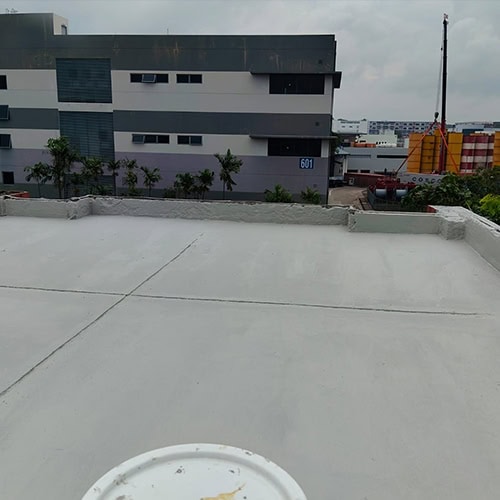
Before discussing the warning signs, it is important to understand why roof maintenance can be particularly challenging in Singapore. The country’s tropical climate is characterised by consistently high temperatures and humidity levels throughout the year, creating demanding conditions for roofing systems.
Over time, roofs are subjected to continuous expansion and contraction caused by heat, prolonged exposure to intense ultraviolet (UV) rays, and frequent heavy rainfall. During tropical storms, rainfall can be exceptionally intense, placing significant stress on roofing materials, waterproofing systems, and drainage components.
Whether you own an HDB flat, condominium, commercial building, or landed property, your roof is exposed to these environmental conditions every day. Unfortunately, roof issues often go unnoticed until visible leaks, water seepage, or structural damage begin to appear.
Monsoon seasons, typically around May and November. Conducting preventive inspections during these periods allows property owners to identify and rectify potential issues early, reducing the risk of costly repairs during periods of heavy rainfall.
The challenge is that leaks often appear deceptively simple, a stain on the ceiling or a drip during a storm, but the underlying causes are complex.
How Singapore’s “Intense Climate” Destroys Roofs
Singapore’s tropical climate is one of the most challenging environments for roofing systems. Constant exposure to extreme heat, high humidity, intense ultraviolet (UV) radiation, and frequent heavy rainfall places tremendous stress on roofs throughout the year. Over time, these environmental factors accelerate the deterioration of roofing materials, waterproofing systems, and structural components, increasing the risk of leaks and costly repairs.
Thermal Stress and Expansion-Contraction Cycles
One of the most damaging effects of Singapore’s climate is the continuous cycle of heating and cooling. During the day, roof surfaces can reach extremely high temperatures under direct sunlight.
When sudden afternoon thunderstorms or monsoon rains occur, the roof experiences rapid cooling. Repeated expansion and contraction, commonly known as thermal stress, causes roofing materials to move constantly.
Over time, the movement can lead to:
• Cracking of concrete roof slabs
• Fracturing of clay and cement roof tiles
• Separation of roof joints and flashings
• Loosening of sealants around penetrations
• Formation of hairline cracks that allow water ingress
Although these defects may initially appear minor, they can gradually worsen and become major sources of water leakage.
Accelerated Waterproofing Membrane Degradation
Waterproofing membranes serve as the primary defence against water penetration. However, Singapore’s consistently high UV index significantly shortens the lifespan of many waterproofing systems.
Prolonged exposure to sunlight causes waterproofing membranes to:
• Lose elasticity and flexibility
• Become brittle and prone to cracking
• Experience surface chalking and deterioration
• Develop weak spots that allow water seepage
• Lose adhesion to the roof substrate
Bituminous membranes, acrylic coatings, and other chemical-based waterproofing systems can deteriorate considerably after years of exposure. Without regular maintenance and inspection, aged waterproofing systems may fail unexpectedly, resulting in roof leaks and internal water damage.
Torrential Rainfall and Hydraulic Pressure
Singapore receives substantial annual rainfall, often accompanied by intense thunderstorms that can discharge large volumes of water within a short period. During these heavy downpours, roofs are subjected to significant hydraulic pressure.
Even small defects that remain unnoticed during dry weather can become critical entry points for water when exposed to heavy rainfall.
Common weak points include:
• Hairline cracks in concrete surfaces
• Damaged waterproofing membranes
• Failed sealant joints
• Roof penetrations around pipes and equipment
• Deteriorated flashing details
Under prolonged heavy rain, water can penetrate through these vulnerable areas and travel within the roof structure, eventually appearing as ceiling stains, wall seepage, mould growth, or internal leakage.
High Humidity and Moisture Retention
Singapore’s average humidity levels remain high throughout the year, creating ideal conditions for moisture accumulation. Roof surfaces often remain damp for extended periods after rainfall, especially in shaded areas with poor ventilation.
Persistent moisture can contribute to:
• Growth of algae, moss, and fungi
• Deterioration of roofing materials
• Corrosion of metal roof components
• Reduced effectiveness of waterproofing systems
• Accelerated ageing of roof structures
Over time, trapped moisture can weaken the overall integrity of the roofing system and increase maintenance requirements.
Clogged Drainage Systems and Ponding Water
Heavy rainfall combined with blocked roof drains, gutters, and downpipes can lead to ponding water on roof surfaces. Standing water places additional stress on waterproofing membranes and increases the likelihood of water infiltration.
When ponding water is left unresolved, it can result in:
• Premature waterproofing failure
• Membrane blistering and delamination
• Concrete deterioration
• Structural loading concerns
• Persistent roof leakage issues
Regular roof inspections and maintenance are therefore essential to ensure drainage systems remain free-flowing and effective.
The Importance of Preventive Roof Maintenance
Given Singapore’s harsh climate conditions, even a well-constructed roof will naturally deteriorate over time. Regular inspections, prompt repair of minor defects, and timely replacement of ageing waterproofing systems can significantly extend the lifespan of a roof and prevent costly water damage.
Property owners who invest in proactive roof maintenance often avoid major repairs, reduce long-term maintenance costs, and ensure their buildings remain protected against Singapore’s demanding weather conditions.
Specific Root Causes of Roof Leaks by Property Type in Singapore
Not all roof leaks occur for the same reasons. The design, construction method, roofing materials, and age of a property significantly influence the types of roofing problems that develop over time. Understanding the common causes of roof leakage for different property types can help property owners identify problems early and implement the appropriate waterproofing solutions.
Condominiums and Commercial Buildings
Most condominiums, office buildings, industrial facilities, and shopping centres in Singapore are constructed with reinforced concrete (RC) flat roofs. While flat roofs offer practical space utilisation and easy access for maintenance equipment, they are particularly vulnerable to water ponding.
Unlike pitched roofs that naturally shed rainwater, flat roofs rely heavily on proper drainage design. Over time, settlement of the concrete structure, blocked drainage outlets, or inadequate roof gradients can result in standing water accumulating on the roof surface.
Common causes of roof leaks in condominiums and commercial buildings include:
• Water ponding due to poor roof slope
• Deteriorated waterproofing membranes
• Cracks in reinforced concrete roof slabs
• Failed sealants around rooftop equipment
• Defective expansion joints
• Blocked rainwater outlets and gutters
• Mechanical damage caused by maintenance works
When water remains trapped on the roof for extended periods, it places constant pressure on the waterproofing system, accelerating deterioration and increasing the likelihood of water seepage into the building.
Landed Houses and Bungalows
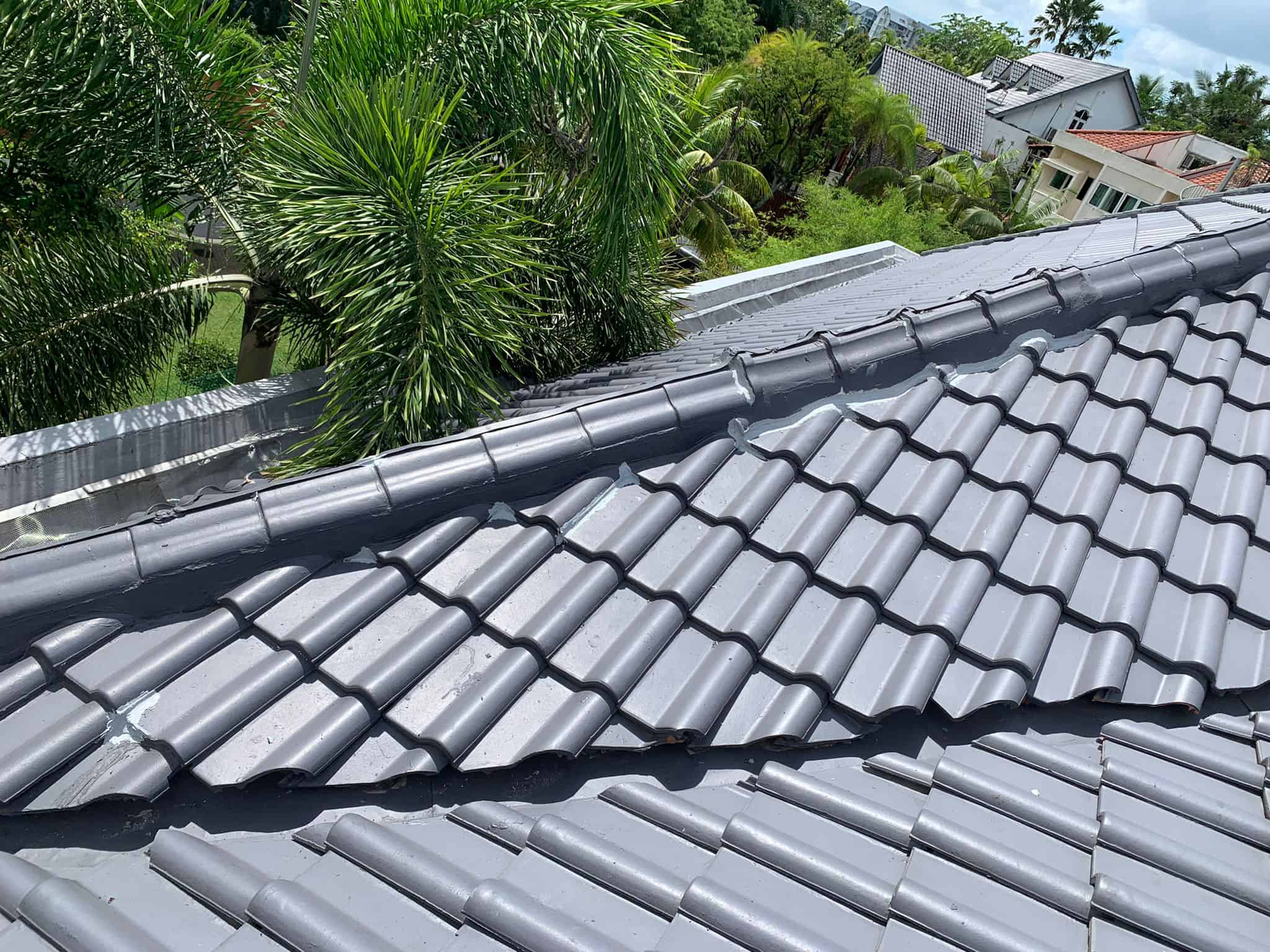
Landed properties typically feature pitched roofs constructed using concrete, clay, ceramic, or metal roofing systems. While these roofs are effective at directing rainwater away from the building, they contain numerous joints, ridges, valleys, and flashing details that can become vulnerable over time.
Older landed properties are especially prone to roof leakage due to ageing materials and decades of exposure to Singapore’s harsh weather conditions.
Common causes of roof leaks in landed houses include:
• Cracked or broken roof tiles
• Dislodged roof tiles caused by thermal movement
• Corroded metal flashings
• Failed sealants around roof penetrations
• Deteriorated ridge caps
• Rusting metal roofing sheets
• Damaged roof valleys
• Structural movement causing joint separation
Strong winds and repeated thermal expansion can gradually loosen roofing components, creating pathways for rainwater to penetrate beneath the roof covering and into the ceiling structure.
HDB Flats
Although most HDB residents do not directly maintain the roof structure, top-floor units are often the first to experience problems when roof waterproofing systems begin to fail.
Many older HDB blocks have waterproofing systems that have been exposed to decades of UV radiation, rainfall, and thermal movement. As these systems age, cracks and membrane failures can develop.
Common roof-related leakage issues affecting HDB units include:
• Ageing roof waterproofing membranes
• Cracks in rooftop concrete slabs
• Failed waterproofing around service penetrations
• Defective rooftop water tanks and equipment bases
• Water ingress through façade cracks
• Deteriorated sealants around rooftop structures
In many cases, water can travel significant distances within the concrete structure before becoming visible inside the unit, making professional leak detection essential for identifying the actual source.
Industrial Buildings and Warehouses
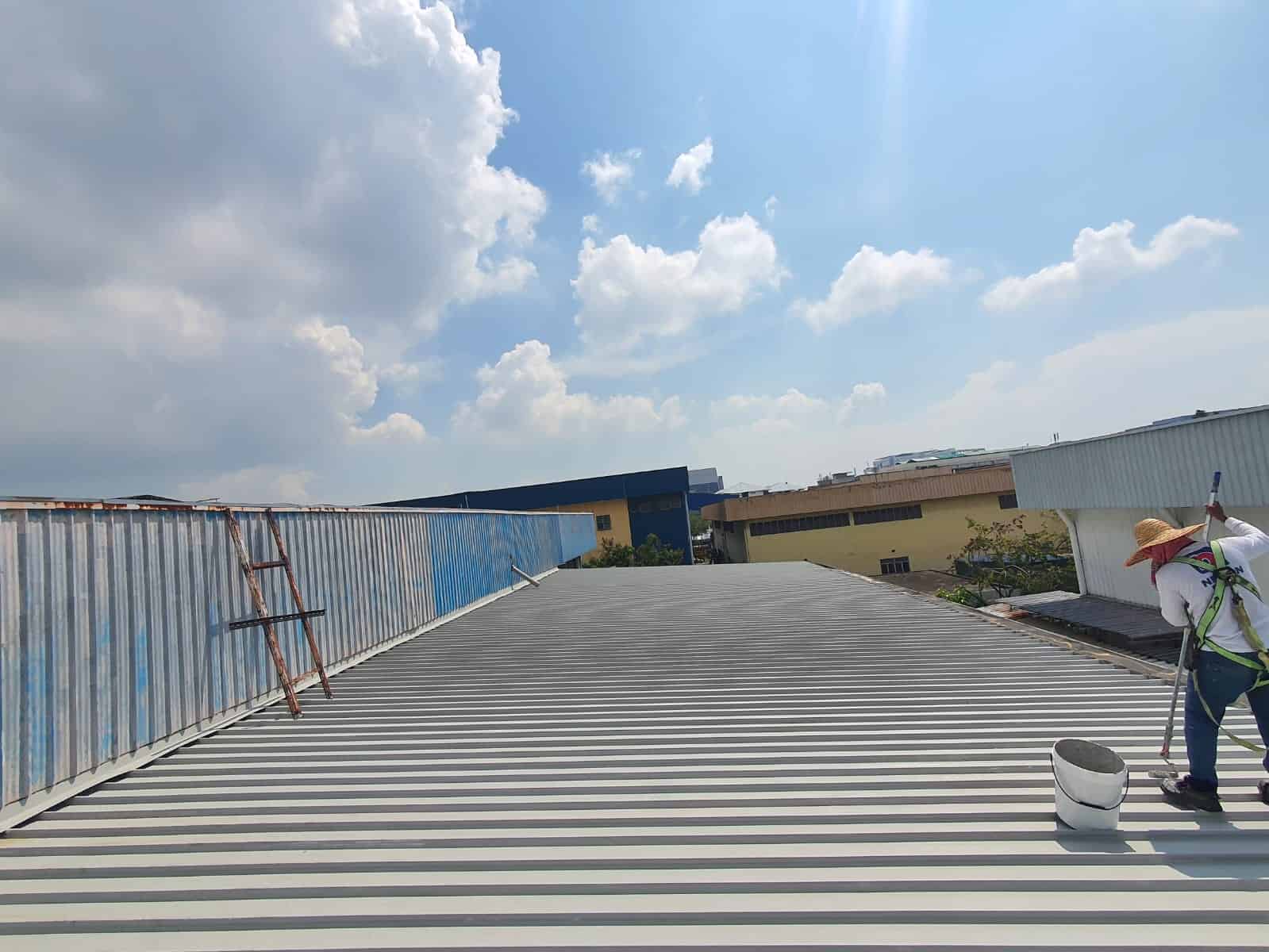
Industrial facilities and warehouses commonly utilise large-span metal roofing systems. While these roofs are designed for durability, they are highly exposed to Singapore’s extreme weather conditions and undergo substantial thermal movement daily.
Metal roofing systems continuously expand under intense sunlight and contract during rainstorms and cooler evenings. This movement can gradually weaken roofing components and waterproofing details.
Common causes of leaks in industrial buildings include:
• Corroded roof sheets
• Loose roofing screws and fasteners
• Failed rubber washers
• Defective lap joints
• Damaged skylight installations
• Expansion and contraction stress
• Blocked roof gutters and drainage channels
Because industrial roofs often cover large surface areas, even a small defect can allow significant volumes of water to enter during heavy rainfall.
Non-Invasive Repair Solutions for Roof Leakage
In the past, roof leakage problems often required extensive hacking, dismantling of roof finishes, and costly replacement works. Today, advancements in waterproofing technology have made it possible to repair many roof leaks using non-invasive methods that minimise disruption while delivering long-lasting results.
Non-invasive roof waterproofing solutions focus on identifying and sealing the source of water ingress without the need for major demolition works. These repair methods are particularly beneficial for occupied residential, commercial, industrial, and condominium properties where downtime and disruption must be kept to a minimum.
1. PU Injection Grouting for Roof Cracks
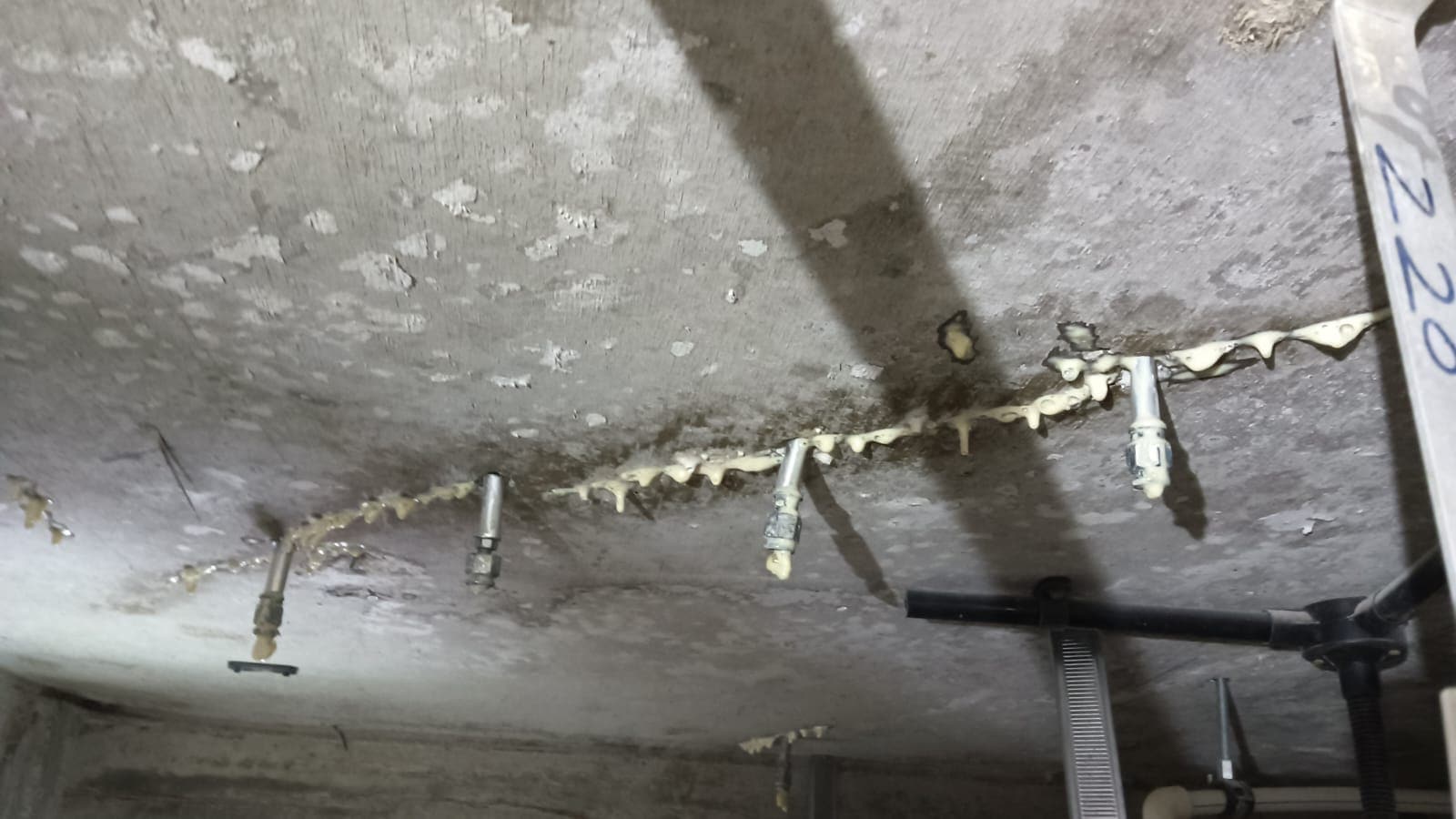
PU Injection Grouting is one of the most effective non-invasive waterproofing solutions for active roof leaks caused by cracks in reinforced concrete roof slabs.
The process involves injecting specialised polyurethane resin into cracks, joints, and voids within the concrete structure. Upon contact with moisture, the resin expands and forms a waterproof barrier that seals water pathways from within.
PU Injection Grouting is commonly used for:
• Roof slab cracks
• Concrete roof joints
• Water seepage through structural cracks
• Roof parapet wall leakage
• Lift motor room roof leakage
• Rooftop water tank leakage areas
This method is highly effective because it treats the leak internally without requiring extensive hacking or surface removal.
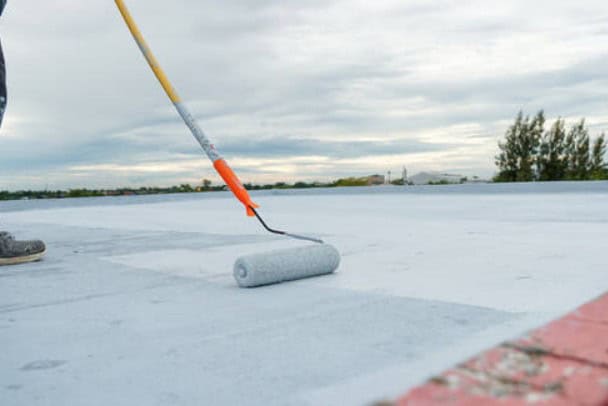
2. Waterproofing Membrane Systems
In situations where the existing waterproofing layer has deteriorated but remains adequately bonded to the substrate, contractors may install a new waterproofing membrane system.
The roof surface is repaired, cleaned, and prepared before a new waterproofing system is installed.
Membrane systems are particularly effective for large commercial roofs, condominium rooftops, and industrial facilities.
3. Roof Joint and Flashing Repairs
Many roof leaks occur at vulnerable junctions rather than through the roof surface itself. Areas around expansion joints, parapet walls, flashing details, pipe penetrations, and equipment bases are common failure points.
Non-invasive repair methods include:
• Replacement of deteriorated sealants
• Installation of flexible joint sealant systems
• Flashing reinforcement
• Joint waterproofing treatment
• Crack sealing compounds
By addressing these critical details, contractors can eliminate water ingress while preserving the surrounding roof structure.
4. Drainage Improvement and Ponding Water Solutions
Water ponding is one of the leading causes of roof waterproofing failure in Singapore. Standing water accelerates membrane deterioration and increases hydrostatic pressure on the roof surface.
Non-invasive drainage improvement measures may include:
• Clearing blocked rainwater outlets
• Cleaning roof gutters and downpipes
• Installing additional drainage points
• Correcting localised low spots
• Applying ponding-resistant waterproofing systems
Improving drainage performance often prevents recurring leakage problems and extends the service life of the roof.
As waterproofing technologies continue to advance, non-invasive repair solutions are becoming the preferred approach for many property owners. These methods provide effective waterproofing protection while avoiding the cost, disruption, and inconvenience associated with traditional hacking and replacement works.
When performed by experienced waterproofing specialists, non-invasive roof leak repair solutions can restore waterproofing performance, prevent recurring water seepage, and extend the service life of roofs for many years without major reconstruction.
When dealing with roof leaks, it is essential to engage a qualified waterproofing contractor. Certification by BCA and HDB ensures that the contractor meets industry standards. Experience in rooftop waterproofing and expertise in non hacking waterproofing methods are also critical.
Among the many contractors in Singapore, SWC Construction stands out as the most trusted specialist. With the highest Google reviews from satisfied homeowners, commercial building maintenance teams, and MCSTs, SWC Construction has built a reputation for reliability and excellence.