

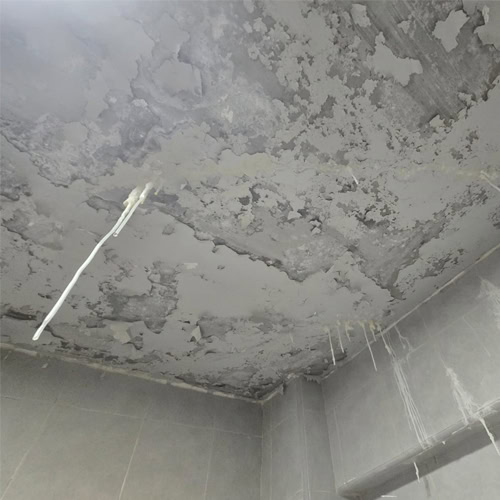
Water leakage problems are a frequent and costly issue in Singapore’s residential buildings, especially in HDB flats and condominiums. From a minor bathroom ceiling leak to severe bathroom ceiling seepage, many of these problems can be traced back to one critical factor and poor workmanship.
In a high-rise living environment, a single case of waterproofing failure can quickly escalate into a serious interfloor leak, affecting not just one unit but multiple households. This makes it essential for homeowners, landlords, and MCST maintenance teams to understand how to detect poor waterproofing workmanship early.
How to Detect Poor Waterproofing Workmanship in Bathrooms
Bathrooms are constantly exposed to water, making them the most vulnerable area for leakage. Detecting signs of poor workmanship early can prevent extensive damage.
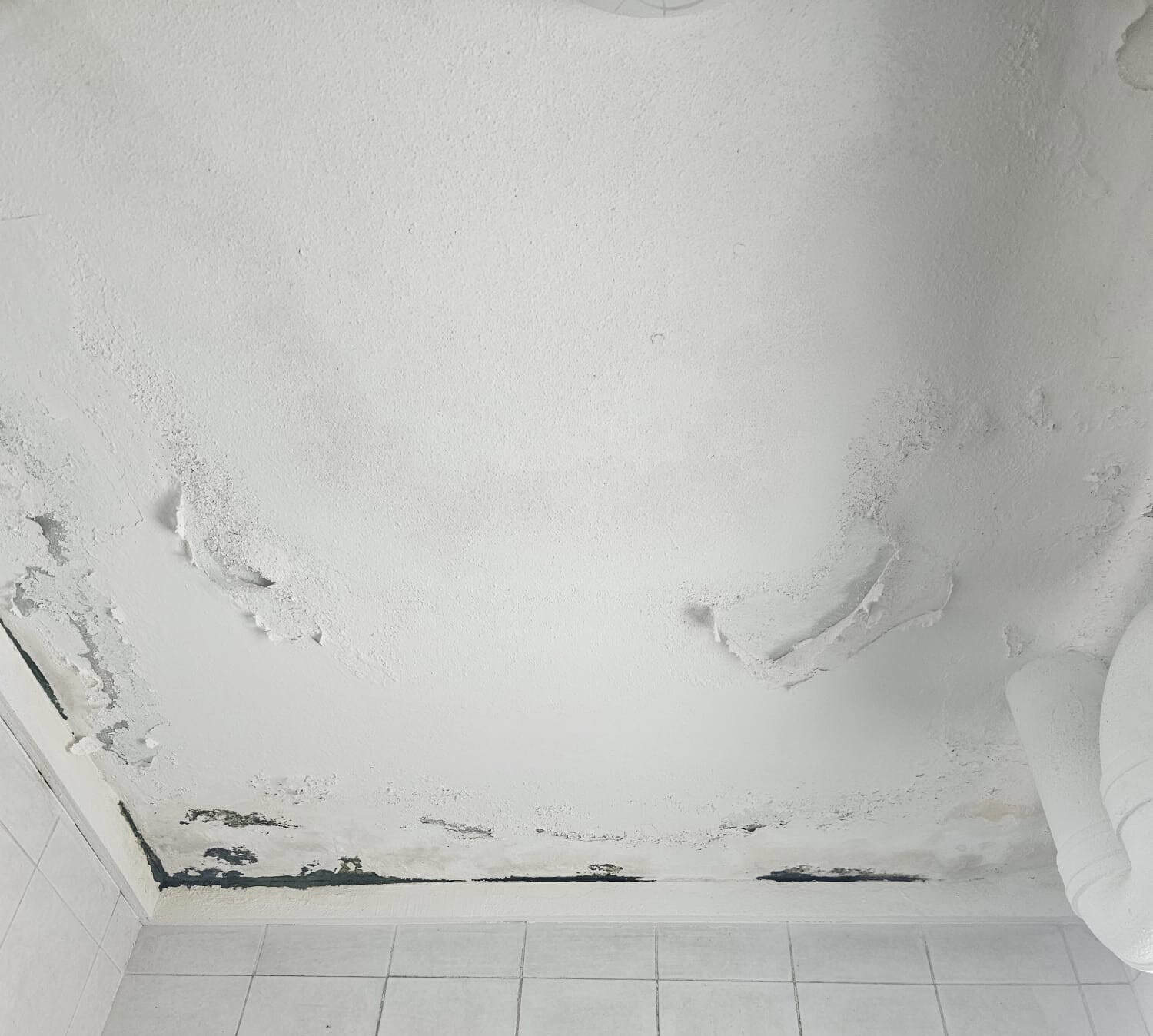
One of the most obvious indicators is visible water staining. If you notice discoloration, peeling paint, or damp patches on walls and ceilings, it may point to hidden bathroom ceiling seepage. These signs often appear gradually and worsen over time if left unresolved.
Another common sign is a persistent musty smell. This usually indicates trapped moisture within the structure, often caused by waterproofing failure beneath tiles or behind walls.
You should also pay attention to tile conditions. Loose tiles or hollow sounds when tapped may suggest water has penetrated beneath the surface due to improper waterproofing application.
Water pooling on the bathroom floor is another red flag. Improper floor gradient — often a result of poor workmanship — prevents proper drainage and increases the risk of seepage.
For more accurate diagnosis, professionals may use thermal leak detection, a non-invasive method that identifies moisture behind surfaces without hacking. This is especially useful for detecting hidden leaks early.
When waterproofing is done properly, it can last for many years without issue. But when workmanship is poor, problems can show up surprisingly fast, sometimes within months of a renovation.
If you’ve recently renovated your toilet or are planning to, knowing how to spot poor waterproofing workmanship early can save you from costly repairs, neighbour disputes, and unnecessary hacking.
Why Waterproofing Workmanship Matters So Much?
In Singapore’s high-rise living environment, bathrooms are stacked directly above one another. This means any failure in your bathroom floor can affect your downstairs neighbour almost immediately.
Poor waterproofing doesn’t just lead to:
- Water stains on ceilings
- Peeling paint
- Mould and algae growth
Waterproofing is not just about applying a coating — it requires proper techniques, preparation, and attention to detail. When workmanship is compromised, the consequences can be severe.
One major issue is the occurrence of an interfloor leak, where water seeps from one unit to another. This is a common problem in Singapore and often leads to disputes between neighbours.
Beyond that, prolonged water seepage can weaken concrete structures, leading to spalling and long-term structural damage. Moisture build up can also promote mold growth, posing health risks to occupants.
Financially, poor waterproofing can result in repeated repairs. Without proper solutions, homeowners may end up paying multiple times for the same issue. This is why investing in quality workmanship from the start is crucial.
It can also lead to disputes between neighbours and even involve HDB or MCST management if left unresolved. Unlike visible finishes like tiles or fittings, waterproofing is hidden. Once tiles are installed, it’s difficult to inspect, so the quality of workmanship during installation is extremely important.
Common Signs of Poor Waterproofing Workmanship
Even though waterproofing is concealed, there are warning signs that indicate something wasn’t done properly.
1. Leakage Within a Short Period After Renovation
- One of the biggest red flags is leakage appearing within 1–3 years after renovation. Proper waterproofing should last much longer. If water starts seeping to the lower unit shortly after works are completed, it usually points to:
- Incomplete waterproofing coverage
- Poor application techniques
- Skipping essential steps like curing or testing
2. Damp or Hollow Tile Areas
- If you tap on your bathroom floor tiles and hear a hollow sound, it could indicate poor bonding between the tile and screed. Hollow areas can trap water and allow it to seep through over time. This is often linked to poor workmanship, where:
- The screed was not properly prepared
- Adhesive was unevenly applied
- Waterproofing layers were compromised
3. Cracks Along Tile Joints and Corners
- Hairline cracks in grout lines may seem minor, but they can be early signs of deeper issues. If cracks appear quickly, it could mean the underlying waterproofing system wasn’t done correctly. In well-executed waterproofing works:
- Joints should be properly sealed
- Movement joints should be accounted for
- Flexible sealants should be applied at corners
4. Persistent Damp Smell or Mould Growth
- A musty smell in your bathroom, even when it’s clean can indicate trapped moisture beneath the tiles. Poor waterproofing allows water to accumulate below the surface, creating the perfect environment for mould growth. In Singapore’s humid climate, this problem can worsen quickly if not addressed.
5. Water Seepage at Floor Trap Area
- The floor trap is one of the most critical points in any bathroom. If waterproofing around the floor trap is not done properly, water can seep through gaps between the trap and surrounding screed. Signs of poor workmanship include:
- Water stains appearing directly below the floor trap area
- Loose or improperly installed trap fittings
- Sealant deterioration within a short time
Common Waterproofing Mistakes Made by Contractors
Understanding what can go wrong helps you better identify poor workmanship. Here are some of the most common mistakes seen in Singapore projects:
Skipping Surface Preparation
- Before applying waterproofing, the surface must be clean, dry, and properly prepared. Some contractors rush this step, applying waterproofing over dusty or uneven surfaces. This weakens adhesion and reduces effectiveness.
Insufficient Waterproofing Layers
- Proper waterproofing usually requires multiple coats. Applying too few layers, or applying them unevenly creates weak spots where water can penetrate.
Not Extending Waterproofing Up Walls
- In shower areas, waterproofing should extend up the wall (typically at least 300mm or higher). If this step is skipped, water can seep through wall joints instead of the floor.
Poor Treatment of Pipe Penetrations
- Areas where pipes pass through the slab are high-risk zones. If these penetrations are not properly sealed, water can travel along the pipe path and leak to the unit below.
Skipping Water Ponding Test
- One of the most critical steps in waterproofing is the water retention (ponding) test. This involves flooding the bathroom floor and monitoring for leaks over 24–48 hours. If a contractor skips this step, there is no confirmation that the waterproofing works properly before tiling begins.
How to Check Waterproofing Workmanship (Before It’s Too Late)?
If you’re currently renovating your bathroom, there are a few things you can do to ensure proper workmanship.
Request for Water Ponding Test
- Always ask your contractor to conduct a ponding test before laying tiles. This is your best assurance that the waterproofing layer is functioning correctly.
Take Photos During Renovation
- Since waterproofing is hidden later, it’s useful to document the process. Take photos of waterproofing application, number of coats and coverage areas. This can be helpful if issues arise later.
Check Corners and Joints Carefully
- Corners, edges, and floor trap areas are common failure points. Ensure these areas are properly sealed and reinforced during installation.
Engage Experienced Contractors
- Waterproofing is not just about materials but more about workmanship. Choosing an experienced contractor in Singapore who understands local building conditions can make a big difference.
What to Do If You Suspect Poor Waterproofing
If you suspect leakage, taking prompt action can prevent further damage.
First, identify the source of the problem. Determine whether it is an internal issue, an interfloor leak, or related to sources of water leakage external facade.
Next, inform the relevant parties. For HDB flats, there are guidelines regarding responsibility between upper and lower units. In condominiums, the MCST should be notified.
It is crucial to engage a waterproofing specialist rather than a general contractor. Specialists have the expertise and tools to accurately diagnose and resolve leakage issues.
Modern solutions such as thermal leak detection allow for precise identification of leak sources without unnecessary damage to your property.
Prevention Is Always Better Than Repair
In Singapore, bathroom repairs can be costly, not just financially, but also in terms of inconvenience. The best approach is always prevention. By ensuring proper waterproofing workmanship from the start, you can avoid:
- Hacking works
- Neighbour disputes
- Repeated repairs
The best way to avoid costly repairs is to ensure proper waterproofing from the beginning.
This starts with hiring qualified and experienced contractors. Proper supervision during waterproofing works is equally important to ensure standards are met.
Water testing should never be skipped, and only high-quality materials should be used.
By taking preventive measures, you can significantly reduce the risk of waterproofing failure and extend the lifespan of your property.
Homeowners can also consider advanced solutions like the non-hacking waterproofing method, which allows for easier maintenance and repair in the future.
The Best Solution: Non-Hacking Waterproofing with PU Injection Grouting
If leakage has already occurred, hacking tiles is not always necessary. Modern technology offers more efficient alternatives.
One of the most effective solutions is PU Injection grouting, a widely used non-hacking waterproofing method in Singapore.
This technique involves injecting polyurethane resin into cracks or voids within the structure. When the material comes into contact with water, it expands and forms a waterproof seal, effectively stopping the leak at its source.
The advantages of this method are clear. It eliminates the need for hacking, reduces disruption, and provides a fast and cost-effective solution. It is particularly effective for resolving interfloor leak issues and concealed seepage problems.
Many homeowners have successfully resolved bathroom ceiling leak and wall seepage issues using this method – PU Injection Grouting.
If you are experiencing bathroom ceiling seepage, dealing with an interfloor leak, or concerned about potential leakage from sources of water leakage external facade, it is important to seek professional help immediately.
SWC Construction is a trusted waterproofing contractor in Singapore, recognised for strong Google reviews from satisfied clients. As a BCA and HDB-certified waterproofing contractor, they specialise in advanced solutions such as PU Injection grouting and thermal leak detection.
With proven expertise and reliable service, SWC Construction is well-equipped to resolve all types of waterproofing issues efficiently and effectively.
Contact SWC Construction today for a professional assessment and let their experienced team provide you with a long-lasting, non-hacking solution to your waterproofing problems.