

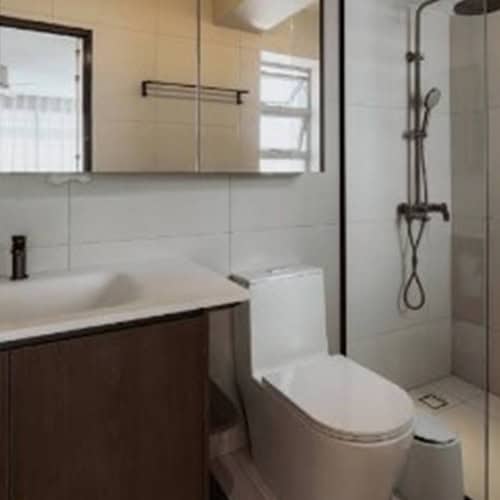
Bathroom waterproofing is one of the most important yet often overlooked components of any residential or commercial property in Singapore. Whether you own an HDB flat, condominium, landed house, or commercial building, a properly installed bathroom waterproofing system protects the structural integrity of your property by preventing water from penetrating concrete slabs, wall joints, and floor finishes.
Many property owners assume that as long as water remains inside the shower area, their bathroom waterproofing is functioning properly. Unfortunately, waterproofing failure usually develops silently beneath the floor tiles and behind wall finishes long before obvious leakage appears. By the time water stains become visible on the ceiling below or on adjacent walls, moisture may have already travelled extensively through concrete slabs, wall joints, and hidden micro cracks.
In Singapore’s tropical climate, bathrooms are exposed to daily moisture, high humidity, frequent cleaning, and continuous heat expansion and contraction of building materials. Over time, these conditions place tremendous stress on waterproofing membranes, tile grout, sealants, and concrete structures. Without timely inspection and professional waterproofing treatment, a minor waterproofing leak can gradually develop into serious inter-floor leak, external wall seepage, mould growth, concrete deterioration, and costly repair works.
One of the biggest misconceptions among homeowners is believing that water always leaks directly beneath its source. In reality, water follows the path of least resistance. It may enter through tiny wall cracks, deteriorated grout joints, failed waterproofing membranes, or concealed construction joints before travelling several metres through the reinforced concrete slab. As a result, the location where water eventually drips may be completely different from where the waterproofing failure actually originated.
Professional waterproofing specialists therefore focus not only on repairing the visible leak but also on accurately identifying the true sources of water leakage. Advanced technologies such as thermal leak detection, moisture mapping, and pressure testing allow experienced contractors to pinpoint hidden water intrusion without unnecessary hacking.
What Are the Signs that Bathroom Waterproofing Is failing?
Bathroom waterproofing rarely fails overnight. In most cases, deterioration occurs gradually over several years before obvious leakage becomes visible. Recognising the early warning signs allows homeowners and building maintenance teams to carry out timely waterproofing repairs before extensive structural damage develops.
Most common indicators of bathroom waterproofing failure
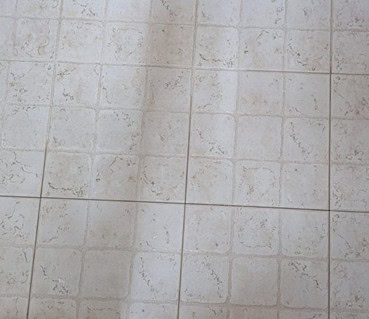
1. Damaged or Missing Tile Grout
Grout is more than a cosmetic filler between bathroom tiles. It helps reduce water penetration into the substrate beneath the tiles. Over time, grout can crack, loosen, become powdery, or completely detach due to ageing, moisture exposure, movement caused by heat expansion, or poor workmanship during installation.
When grout deteriorates, water can seep through these openings every time the shower is used. Although grout itself is not the primary waterproofing barrier, damaged grout significantly increases the amount of water reaching the waterproofing membrane. If the membrane has also deteriorated, leakage into the concrete slab becomes increasingly likely.
Common symptoms include:
- Cracked grout joints
- Missing grout between tiles
- Hollow-sounding floor tiles
- Loose bathroom tiles
- Dark grout lines that remain damp long after use
Ignoring damaged grout allows continuous water infiltration, accelerating waterproofing failure beneath the floor.
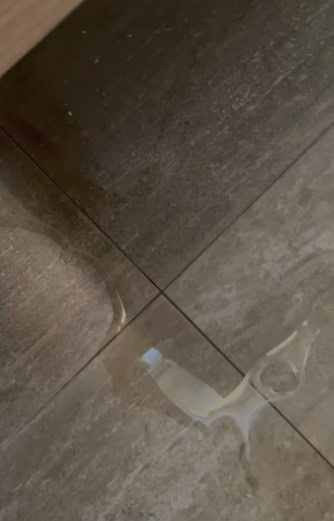
2. Water Ponding or Puddles
A properly designed bathroom floor should direct water efficiently towards the floor trap. If water forms puddles or remains stagnant after showering, it may indicate insufficient floor gradient, settlement of floor tiles, or uneven installation.
Persistent water ponding increases hydrostatic pressure on the waterproofing system and prolongs moisture exposure. Over time, standing water exploits tiny imperfections in grout joints, floor penetrations, and micro cracks, eventually reaching the waterproofing membrane beneath.
Water ponding is often overlooked because it appears harmless. However, prolonged standing water significantly shortens the lifespan of bathroom waterproofing.
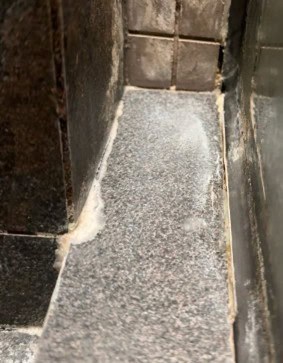
3. White Powdery deposits (Efflorescence)
Efflorescence is one of the clearest indicators that water is migrating through concrete or masonry. It appears as a white crystalline or chalky substance on walls, ceilings, skirting, or floor surfaces.
When water penetrates concrete, it dissolves naturally occurring salts within the cement. As moisture evaporates at the surface, these salts are left behind, creating visible white deposits.
Efflorescence indicates that water has already travelled through the structure, making it an important warning sign of hidden waterproofing failure.
Common locations include:
- Bathroom walls
- External wall seepage areas
- Ceiling below the bathroom
- Service duct walls
- Floor slab edges
Although efflorescence itself is not harmful, it signals ongoing moisture movement that requires professional investigation.
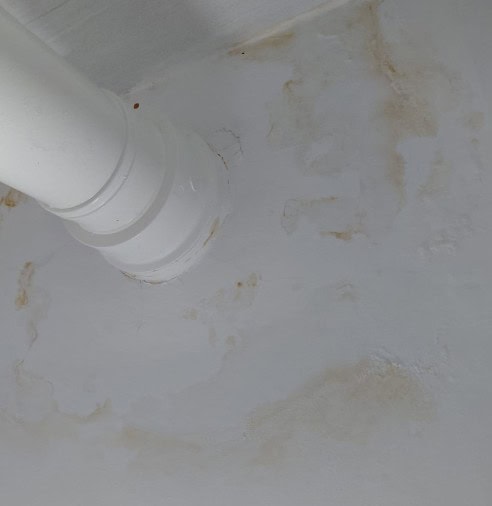
4. Brownish ceiling or Wall Stains
These stains develop when water repeatedly migrates through reinforced concrete slabs, carrying dissolved minerals and rust particles from embedded steel reinforcement. Over time, the stains become darker and larger.
However, the visible stain is often not the actual leak location. Water may have travelled a considerable distance through the concrete before emerging at its lowest point.
Prompt professional diagnosis is essential to prevent further deterioration.
5. Mould Growth and Mildew
Persistent moisture creates the ideal environment for mould growth.
If waterproofing has failed, moisture trapped behind wall finishes or beneath floor tiles may encourage mould colonies that gradually spread throughout the bathroom.
Signs include:
- Black mould spots
- Green fungal patches
- Peeling paint
- Discoloured silicone sealant
- Damp wall finishes
Besides damaging the building, mould may affect indoor air quality and trigger allergies or respiratory irritation for occupants.
6. Musty or damp Odours
Bathrooms should not emit persistent earthy or musty smells after proper ventilation.
A lingering damp odour often indicates hidden moisture trapped beneath floor finishes, inside wall cavities, or within the concrete slab.
Because hidden water does not dry easily, microbial growth develops over time, producing characteristic mouldy smells even when no visible leak is present.
Many waterproofing failures are first discovered because homeowners notice unusual odours before seeing visible damage.
7. Peeling Paint outside the Bathroom
Waterproofing failure does not always remain inside the bathroom.
Moisture frequently migrates through adjacent walls, resulting in:
- Bubbling paint
- Peeling finishes
- Soft plaster
- Wall discolouration
- Swollen skirting boards
These symptoms are common indicators of wall seepage caused by hidden bathroom waterproofing leaks.
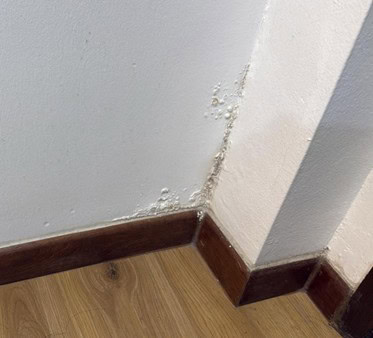
8. Damp Walls Adjacent to the Bathroom
Walls sharing the bathroom may appear damp even though there is no plumbing pipe within them.
Moisture can travel laterally through masonry and concrete, making adjacent bedrooms, kitchens, or corridors appear to have unrelated water damage.
Professional leak detection is some time required to determine whether the sources of water leakage originate from failed bathroom waterproofing or another issue, such as a concealed pipe leak.
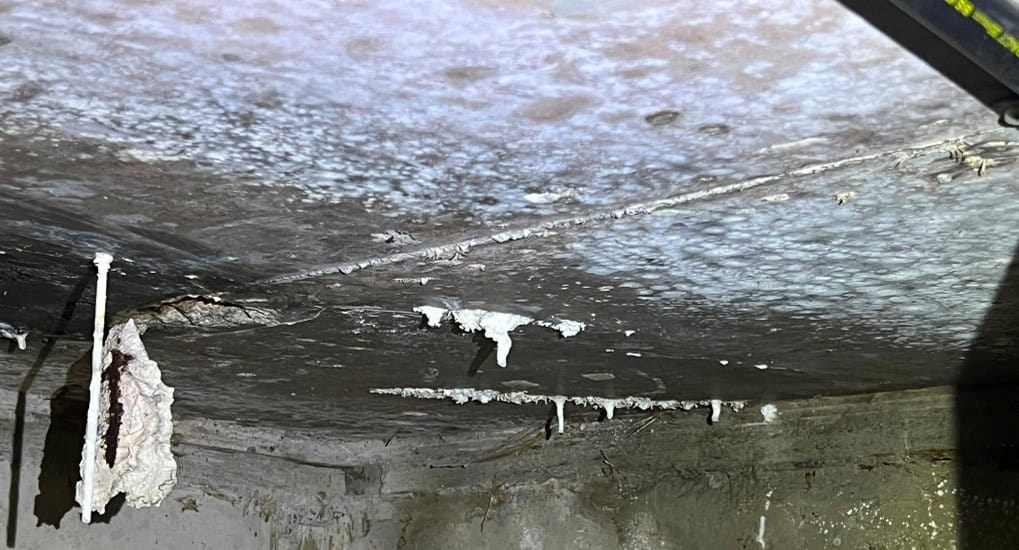
9. Water dripping through the ceiling below
Perhaps the most alarming sign of waterproofing failure is active water dripping from the ceiling of the unit below.
This indicates that water has already bypassed the waterproofing system and travelled through the reinforced concrete slab.
Immediate investigation is recommended to minimise further damage to both affected units.
10. Increasing Water Leakage During Daily bathroom use
Some homeowners notice leakage only after showering.
This pattern usually indicates a failed waterproofing membrane rather than rainwater intrusion.
Professional testing, including moisture mapping and thermal leak detection, helps distinguish between bathroom waterproofing failure, rainwater seepage, and plumbing defects.
Early diagnosis enables contractors to recommend the most effective non-hacking waterproofing method, reducing unnecessary demolition while preserving existing bathroom finishes.
What is the Lifespan of Bathroom Waterproofing?
Bathroom waterproofing is designed to provide long-term protection, but it is not permanent. In Singapore, a professionally installed waterproofing system generally lasts 5 to 10 years, depending on the quality of materials used, workmanship, frequency of bathroom use, building movement, and ongoing maintenance.
Several factors influence its lifespan:
- Quality of the waterproofing membrane:
Premium cementitious or polyurethane-based systems typically perform better and last longer than lower-grade products.
- Workmanship:
Even the best waterproofing materials can fail prematurely if they are applied incorrectly, with inadequate membrane thickness, poor joint treatment, or insufficient curing time.
- Building movement:
Daily expansion and contraction caused by Singapore’s hot and humid climate can create stress on waterproofing layers, especially around corners, floor traps, and pipe penetrations.
- Bathroom usage:
Bathrooms in large households or commercial premises experience more frequent wetting and drying cycles, accelerating wear on grout, sealants, and waterproofing systems.
- Maintenance:
Cracked grout, deteriorated silicone sealant, or damaged tiles that are not repaired promptly allow water to penetrate and place additional stress on the underlying waterproofing membrane.
As waterproofing systems age, they become more vulnerable to micro cracks, loss of elasticity, and gradual deterioration. Regular inspections and early intervention can significantly extend the service life of your bathroom waterproofing while preventing costly waterproofing failure and extensive repair work.
What Causes Bathroom Waterproofing Failure?
Many homeowners believe that bathroom waterproofing suddenly fails without warning. In reality, waterproofing systems deteriorate gradually due to a combination of ageing, environmental conditions, building movement, installation quality, and continuous water exposure. Understanding the root causes helps property owners take preventive action before a minor issue develops into a major waterproofing leak.
Most common causes of bathroom waterproofing failure in Singapore
1. Ageing Waterproofing Membrane
Like any construction material, waterproofing membranes have a finite service life. Most professionally installed bathroom waterproofing systems last between 10 and 20 years, depending on product quality, workmanship, and usage.
As the membrane ages, it gradually loses flexibility and elasticity. Continuous wetting and drying cycles cause the membrane to become brittle, reducing its ability to bridge small movements in the concrete slab. Tiny defects eventually develop, allowing water to penetrate beneath the floor tiles.
Older HDB flats, ageing condominiums, and landed houses are particularly susceptible to waterproofing deterioration if the original waterproofing has never been replaced.
2. Heat Expansion and Building Movement
Singapore experiences consistently high temperatures, intense sunlight, and heavy tropical rainfall throughout the year. These environmental conditions cause building materials to expand during the day and contract as temperatures cool.
This continuous cycle of heat expansion and contraction creates movement within:
- Concrete slabs
- Cement screed
- Ceramic tiles
- Tile adhesive
- Grout joints
- Waterproofing membranes
Although these movements are often microscopic, they occur thousands of times over the lifespan of a building. Over time, repeated stress weakens the waterproofing system and may create micro cracks that allow water to seep into the concrete.
Corners, floor traps, pipe penetrations, and wall-to-floor junctions are particularly vulnerable because these areas experience the greatest movement.
3. Poor Workmanship During Installation
Even the highest-quality waterproofing products cannot compensate for poor installation practices. In Singapore, poor workmanship remains one of the leading causes of premature waterproofing failure.
Common installation mistakes include:
- Insufficient waterproofing membrane thickness
- Uneven membrane application
- Inadequate overlap between waterproofing layers
- Poor treatment of internal corners
- Failure to reinforce floor trap joints
- Improper waterproofing around pipe penetrations
- Insufficient curing time before tiling
- Inadequate bonding between membrane and concrete substrate
These defects may remain hidden beneath the tiles for years before leakage becomes visible.
For this reason, homeowners should always engage an experienced and qualified waterproofing contractor rather than selecting a contractor based solely on the lowest quotation.
4. Cracked or Deteriorated Tile Grout
Tile grout serves as the first line of defence against water penetration. Although grout itself is not the waterproofing layer, damaged grout allows significantly more water to reach the waterproofing membrane beneath.
Common causes of grout deterioration include:
- Building movement
- Daily foot traffic
- Chemical cleaning agents
- Natural ageing
- Poor installation
- Improper grout selection
Cracked grout joints permit water to accumulate beneath the floor tiles, increasing hydrostatic pressure on the waterproofing membrane and accelerating its deterioration.
5. Micro Cracks in Concrete
Concrete is extremely strong under compression but is susceptible to fine cracking over time.
Hairline micro cracks can develop due to:
- Concrete shrinkage
- Settlement
- Structural movement
- Thermal expansion
- Construction defects
Although these cracks may be invisible to homeowners, they provide pathways for water migration through the concrete slab.
Once water enters these microscopic openings, leakage can travel considerable distances before eventually appearing elsewhere.
6. Failed Silicone Sealant Around Fixtures
Many bathroom leaks originate from deteriorated silicone sealants rather than the waterproofing membrane itself.
Sealants around:
- Shower screens
- Bathtubs
- Wash basins
- Floor traps
- Water closets
They gradually lose elasticity due to ageing and cleaning chemicals. Once gaps form, water bypasses the sealant and enters concealed areas behind fittings.
7. Concealed Pipe Leak
Not every bathroom leak is caused by waterproofing failure.
A concealed pipe leak inside the wall or floor may produce symptoms similar to failed waterproofing, including damp walls, mould, ceiling stains, and water seepage.
Professional diagnosis is therefore essential before any repair work begins.
Replacing the waterproofing membrane will not solve a leaking water pipe.
8. Improper Bathroom Renovation
Renovation work may accidentally damage existing waterproofing.
Examples include:
- Drilling into floors
- Installing shower screens
- Hacking tiles
- Relocating sanitary fittings
- Installing grab bars
- Cutting floor channels
Without proper waterproofing reinstatement, water can easily penetrate these damaged areas.
A leaking bathroom is more than just an inconvenience—it is a warning sign that your property’s waterproofing system may have failed. What starts as a small water stain, cracked grout, or musty odour can quickly develop into a serious inter-floor leak, external wall seepage, concrete deterioration, mould growth, and costly structural repairs if left untreated. The key to preventing further damage is early diagnosis and engaging an experienced waterproofing specialist who can identify the true source of the leak rather than simply treating the visible symptoms.
At SWC Construction, we understand that every water leakage problem is unique. Our experienced waterproofing specialists combine years of industry expertise with advanced leak investigation techniques, including thermal leak detection, moisture assessment, and professional PU Injection grouting, to accurately locate hidden water ingress and deliver long-lasting, non-invasive repair solutions. Instead of recommending unnecessary hacking, we focus on effective non-hacking waterproofing methods that minimise disruption to your home while restoring the performance of your bathroom waterproofing system.
Whether you own an HDB flat, condominium, landed property, commercial building, or manage an MCST development, our team is committed to providing honest advice, professional workmanship, and reliable waterproofing solutions tailored to your property’s needs. As a qualified and certified waterproofing contractor with experience in BCA and HDB-related waterproofing projects, SWC Construction has earned the trust of thousands of satisfied clients across Singapore through our commitment to quality, transparency, and customer satisfaction.
If you’ve noticed ceiling stains, damp walls, loose tiles, mould growth, or any signs of bathroom waterproofing failure, don’t wait for the problem to become more extensive and expensive.
Contact SWC Construction today for a comprehensive waterproofing inspection and let our specialists recommend the most effective PU Injection grouting solution to permanently stop water leakage, protect your property, and give you lasting peace of mind. Your home deserves nothing less than professional expertise and waterproofing solutions you can rely on.