

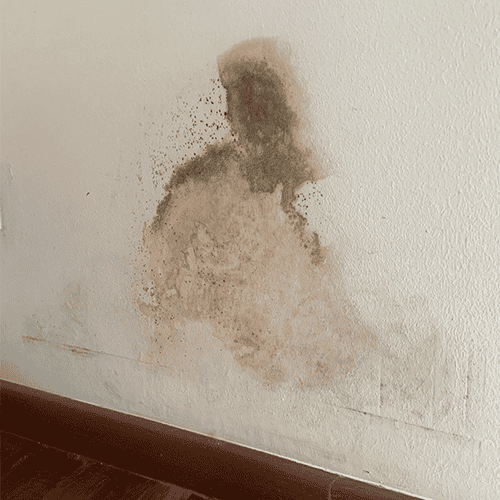
Black mould is more than just an unpleasant sight on bathroom walls or ceilings. In Singapore’s humid climate, mould growth is a persistent issue that signals deeper waterproofing damage.
Whether you live in an HDB flat, a condominium, or a landed property, mould is often the first visible sign of water seepage, bathroom leaks, or ceiling leaks. Left untreated, it can lead to brown stain marks, wall leaks, inter‑floor leakage, and costly repairs.
Moldy wall means moisture problems (leaks, humidity) causing black spots, musty smells, or peeling paint. Extensive mold in the home can become dangerous. The reason is that some species of mold produce mycotoxin, a substance that leads to headaches, problems with breathing, and even damage in the neurological system. If you have allergies or asthma, mold in your house may occasionally cause you to become ill. Mold exposure can irritate your eyes, skin, nose, throat, and lungs whether or not you have a mold allergy.
Painting over mold doesn’t stop the issue—it just hides it temporarily. Mold can still grow underneath the fresh coat and continue to spread. For a lasting fix, you must kill mold at its source before applying any primer or paint.
How Does Black Mould Appear on Walls and Ceilings of Wet Areas?
Black mould thrives in damp, humid environments. Bathrooms and toilets are particularly vulnerable because they are constantly exposed to water and steam. When waterproofing membranes beneath tiles or concrete slabs fail, water penetrates the structure, leading to concrete slab dampness.
Over time, this dampness manifests as:
- Brown stain marks on ceilings and walls.
- Dark patches that gradually turn into mould colonies.
- Peeling paint or bubbling plaster, indicating trapped moisture.
In HDB flats, ceiling leaks often result in inter‑floor leakage, where water seeps into the unit below. This not only damages property but also creates disputes between neighbours. In condominiums and landed houses, mould growth is often linked to waterproofing damage in bathrooms, balconies, or roof slabs.
Mould growth is essentially nature’s way of telling you there is a waterproofing leak. It is not just a cosmetic issue—it is a warning sign of deeper structural problems.
What Causes Black Mould in Toilets and Bathroom Walls?
Several factors contribute to mould growth in wet areas:
Waterproofing Leak:
When the waterproofing membrane deteriorates, water bypasses the protective layer, causing wall leaks and ceiling leaks.
Concrete Slab Dampness:
Cracks in concrete slabs allow water seepage, leading to dampness and mould growth.
Poor Ventilation:
Bathrooms without exhaust fans or windows trap humidity, accelerating mould formation.
Hidden Water Seepage:
Undetected leaks behind walls or under flooring create persistent dampness. Professional leak detection services, including thermal imaging leak detection, are often required to identify these hidden issues.
Daily Wear and Tear:
Constant exposure to water from showers, sinks, and toilets weakens waterproofing membranes over time.
In Singapore’s tropical climate, where humidity levels are consistently high, these causes are magnified. Without timely water leak repair, mould spreads quickly, damaging both aesthetics and structural integrity.
How to Prevent Mould Growth in Wet Areas
Preventing mould growth in wet areas such as toilets, bathrooms, and kitchens requires a combination of proper waterproofing repairs, effective ventilation, and proactive maintenance. The first and most critical step is ensuring that the waterproofing membrane beneath tiles and concrete slabs is intact. A compromised membrane is the leading cause of bathroom leaks, ceiling leaks, and wall leaks, which eventually lead to brown stain marks and mould growth.
Engaging a BCA waterproofing contractor or a waterproofing specialist ensures that the right waterproofing solution is applied, whether through concrete slab waterproofing, PU Injection grouting, or clear penetrative treatment. These methods provide long‑lasting protection against water seepage and inter‑floor leakage, which are common in HDB flats, condominiums, and landed houses in Singapore.
Ventilation plays an equally important role in mould prevention. Bathrooms and toilets are naturally humid, and without proper airflow, moisture lingers on walls and ceilings, creating the perfect environment for mould growth. Installing exhaust fans, opening windows, or using dehumidifiers can significantly reduce humidity levels. For property owners in Singapore’s tropical climate, where humidity is consistently high, ventilation improvements are essential to complement waterproofing repairs.
Regular inspections and maintenance are also vital. Homeowners should look out for early signs of waterproofing leak, such as brown stain marks, peeling paint, or damp patches on walls and ceilings.
Engaging a leak detection service that uses thermal imaging leak detection helps identify hidden leaks before they escalate into major problems. This proactive approach allows for timely water leak repair and prevents costly damage to concrete slabs and finishes.
Another preventive measure is the application of clear penetrative treatment on walls and ceilings. This treatment creates a protective barrier that resists water ingress, reducing the risk of waterproofing damage and mould growth. In high‑risk areas such as toilets and bathrooms, combining penetrative treatment with PU grouting offers a comprehensive waterproofing leak solution that addresses both surface and structural vulnerabilities.
Ultimately, preventing mould growth in wet areas requires a holistic approach that combines professional waterproofing repairs, advanced leak detection services, ventilation improvements, and routine maintenance. By investing in these preventive measures, homeowners, contractors, and property agents can safeguard their properties against water seepage, concrete slab dampness, and the recurring problem of mould growth.
Common Repairs for Wall Seepage Treatment to Stop Mould Growth
When mould growth is already visible, wall seepage treatment becomes necessary. Common waterproofing repairs include:
Concrete Slab Repair:
Addressing cracks and dampness in concrete slabs to stop water seepage.
Waterproofing Membrane Replacement:
Installing new waterproofing membranes to prevent bathroom leaks and ceiling leaks.
PU Injection Grouting:
A non‑hacking method where polyurethane resin is injected into cracks to seal water seepage.
Clear Penetrative Treatment:
Applying protective coatings to prevent future water ingress.
These waterproofing solutions are particularly effective in HDB flats, condominiums, and landed houses, where inter‑floor leakage and wall leaks are common. Waterproofing contractors in Singapore often recommend PU grouting as the most efficient and long‑lasting solution.
Types of Solutions for Mould and Wall Water Seepage Treatment Using PU Injection
PU injection grouting is one of the most advanced and efficient waterproofing leak solutions available in Singapore today. It is widely used by BCA waterproofing contractors and ceiling waterproofing specialists because it directly addresses the root cause of water seepage, bathroom leaks, and ceiling leaks without the need for hacking tiles or flooring. The process involves injecting a specially formulated polyurethane resin into cracks, joints, or voids within the wall or concrete slab.
Once injected, the resin expands to fill gaps, hardens, and creates a watertight seal that prevents further waterproofing damage. This makes PU injection particularly effective in stopping inter‑floor leakage in HDB flats, concrete slab dampness in condominiums, and wall leaks in landed houses.
One type of PU injection solution focuses on crack sealing. When hairline cracks or larger fractures appear in walls or ceilings due to structural stress or ageing, water can seep through and cause mould growth. PU grouting fills these cracks completely, preventing brown stain marks and eliminating the moisture that mould thrives on.
This solution is joint sealing, where PU resin is injected into construction joints or tile joints that have failed over time. This is especially useful in bathrooms and toilets, where constant exposure to water weakens joints and leads to bathroom leaks.
PU injection is also highly effective for concrete slab waterproofing. In cases where water seepage originates from roof slabs, balconies, or floor slabs, PU grouting penetrates deep into the concrete to block water pathways. This not only stops waterproofing leaks but also reinforces the slab, reducing the need for extensive concrete repair.
For property owners dealing with inter‑floor leakage, PU injection provides a non‑hacking method to resolve disputes quickly and efficiently, as it seals leaks without disturbing the flooring or tiles of either unit.
Another solution involves combining PU injection with clear penetrative treatment. While PU grouting addresses internal cracks and voids, penetrative treatment protects the surface of walls and ceilings from future water ingress.
This dual approach ensures long‑term protection against mould growth, water seepage, and recurring waterproofing damage.
Finally, PU injection is often used alongside leak detection services such as thermal imaging leak detection. By accurately identifying the source of leaks, contractors can target PU grouting precisely where it is needed, ensuring maximum effectiveness. This makes PU injection not just a repair method but a comprehensive waterproofing solution that combines detection, sealing, and prevention.
In summary, PU injection grouting offers multiple solutions—crack sealing, joint sealing, concrete slab waterproofing, inter‑floor leakage repair, and combined penetrative treatments. Each solution is tailored to address specific issues faced by homeowners, contractors, IDs, housing agents, and property owners in Singapore. By choosing PU injection, property owners can eliminate mould growth, stop water seepage, and restore their walls and ceilings with minimal disruption.
Water Seepage Treatment Repair Using PU Injection Grouting
PU injection grouting is considered one of the most effective waterproofing leak solutions for repairing water seepage in walls, ceilings, and concrete slabs. Unlike traditional waterproofing repairs that often require hacking tiles or removing finishes, PU injection is a non‑hacking method that delivers fast, durable results with minimal disruption. This makes it especially suitable for HDB flats, condominiums, and landed houses in Singapore, where property owners want to resolve bathroom leaks, ceiling leaks, or inter‑floor leakage without extensive renovation.
Leak detection service for unseen areas, often uses thermal imaging leak detection to pinpoint the exact source of the seepage. Once identified, waterproofing contractors drill small access points into the affected wall or ceiling. Through these points, a specially formulated polyurethane resin is injected under pressure. The resin expands upon contact with moisture, filling cracks, voids, and porous areas within the concrete structure. This expansion creates a watertight seal that blocks water pathways, effectively stopping wall leaks, concrete slab dampness, and the formation of brown stain marks associated with mould growth.
PU injection grouting is versatile and can be applied in several scenarios:
Concrete slab waterproofing:
It strengthens weakened slabs by sealing internal cracks, preventing long‑term waterproofing damage.
Inter‑floor leakage repair:
In multi‑storey buildings, PU injection is highly effective in stopping water seepage between units, a common issue in HDB flats and condominiums.
Ceiling waterproofing specialist applications:
For ceilings affected by seepage, PU grouting restores integrity without the need for hacking or re‑tiling.
Bathroom leak solutions:
PU injection addresses hidden leaks behind tiles or walls, eliminating the root cause of mould growth and dampness.
Another advantage of PU injection grouting is its durability. Once cured, the polyurethane resin remains flexible, allowing it to withstand structural movement and thermal expansion. This ensures that the waterproofing repair remains effective even as the building ages. Compared to conventional methods like surface coatings or patch repairs, PU injection penetrates deep into the structure, offering a permanent solution rather than a temporary fix.
In Singapore’s humid climate, where water seepage and mould growth are recurring problems, PU injection grouting has become the preferred choice among BCA waterproofing contractors and waterproofing specialists. It not only resolves immediate leaks but also prevents future waterproofing damage, protecting property owners from costly repairs and disputes. Whether it’s an HDB flat with inter‑floor leakage, a condominium with concrete slab repair needs, or a landed house facing roof slab seepage, PU injection grouting provides a reliable, long‑lasting waterproofing solution.
Why Choose SWC Construction as Your Waterproofing Contractor in Singapore?
When it comes to waterproofing repairs, SWC Construction stands out as the leading ceiling waterproofing specialist in Singapore. With extensive experience in handling bathroom leaks, ceiling leaks, wall leaks, and inter‑floor leakage, SWC Construction has earned the highest reviews from customers across HDB flats, condominiums, and landed houses.
Expertise in PU Injection Grouting:
SWC Construction uses the most efficient non‑hacking PU injection method, ensuring minimal disruption and maximum effectiveness.
Comprehensive Waterproofing Solutions:
From concrete slab repair to clear penetrative treatment, SWC offers a full range of waterproofing solutions.
Advanced Leak Detection Service:
With thermal imaging leak detection, SWC provides the best waterproofing detection in Singapore.
Trusted BCA Waterproofing Contractor:
As a certified BCA waterproofing contractor, SWC guarantees quality and compliance with industry standards.
Customer Satisfaction:
SWC Construction’s reputation is built on delivering reliable waterproofing repairs and long‑lasting results, making them the best waterproofing contractor in Singapore.
Black mould and water seepage are problems that should never be ignored. Whether you are dealing with bathroom leaks, ceiling leaks, wall leaks, or inter‑floor leakage, the right waterproofing solution can save you from costly repairs and recurring issues. Every property—be it an HDB flat, condominium, or landed house—has unique challenges, and that’s why customised treatment is essential.
At SWC Construction, our team of experienced waterproofing contractors and ceiling waterproofing specialists provide tailored solutions using proven methods such as PU injection grouting, concrete slab waterproofing, and clear penetrative treatment. With advanced leak detection services like thermal imaging leak detection, we ensure accurate diagnosis and long‑lasting repairs.
If you’re noticing brown stain marks, mould growth, or any sign of waterproofing leak, don’t wait until the damage worsens.
Contact SWC Construction today for a customised repair plan designed to protect your property and restore peace of mind.