
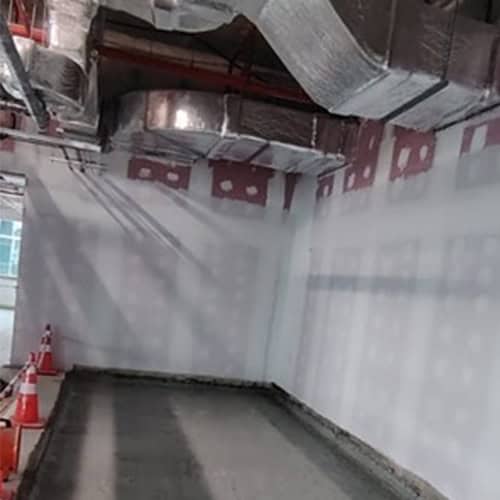
Waterproofing is one of the most critical yet often underestimated aspects of building maintenance in Singapore. With our tropical climate, frequent heavy rainfall, high humidity, and ageing building stock, waterproofing damage is not just a residential concern—it is a major issue affecting commercial buildings, industrial properties, condominiums, offices, and mixed-use developments. When waterproofing systems fail, the consequences can range from concrete slab dampness and unsightly stains to severe structural deterioration and costly rectification works.
Engaging a reliable building waterproofing contractor is essential. In Singapore, SWC Construction has established itself as a building waterproofing specialist, known for non-hacking methods, advanced leak detection service, and long-term waterproofing repair solutions.
Let us share a comprehensive guide to building waterproofing, common waterproofing leaks, the best waterproofing materials, modern non-hacking solutions such as PU injection grouting, and why SWC Construction is widely recognised as the best waterproofing contractor in Singapore.
What Is Building Waterproofing?
Building waterproofing refers to the application of systems, materials, and methods designed to prevent water ingress into a building’s structure. Its primary objective is to protect concrete, steel reinforcement, finishes, and interior spaces from water seepage, waterproofing damage, and long-term deterioration.
In Singapore, building waterproofing is especially important because most structures are built with reinforced concrete. While concrete appears solid, it is naturally porous. Over time, hairline cracks, construction joints, and material shrinkage allow moisture to penetrate the concrete slab. This leads to concrete leak issues, inter-floor leakage, ceiling seepage, and wall dampness if not addressed promptly.
Effective building waterproofing ensures:
- Protection against water seepage and waterproofing leaks
- Prevention of concrete slab dampness and concrete repair failures
- Extended building lifespan and reduced maintenance costs
- Compliance with BCA waterproofing contractor standards
- Improved indoor comfort and safety for occupants
Building waterproofing is not limited to roofs or bathrooms. It includes basements, podium decks, wet areas, external walls, concrete slabs, planter boxes, expansion joints, and inter-floor structures. A professional building waterproofing contractor will assess the entire water exposure risk and design a suitable waterproofing solution.
Types of Waterproofing Occurrences in Building Waterproofing
Waterproofing leaks in buildings can manifest in many forms, depending on the building type, age, construction method, and exposure to water. Understanding these occurrences is critical for accurate diagnosis and effective waterproofing repairs.
One of the most common issues is inter-floor leakage, particularly in commercial buildings and condominiums. Water from bathrooms, pantries, or wet areas on upper floors seeps through the concrete slab and affects units below. This often presents as ceiling stains, peeling paint, spalling concrete, or active dripping.
Another frequent occurrence is concrete slab dampness, which affects office floors, car parks, industrial facilities, and rooftops. Persistent moisture trapped within the concrete leads to waterproofing damage, mould growth, and eventual concrete repair needs.
Water seepage through external walls is also common in high-rise buildings. Hairline cracks, façade joints, and failed sealants allow rainwater penetration, causing internal wall dampness and paint blistering. Over time, this compromises both aesthetics and structural integrity.
Basements and underground structures experience hydrostatic pressure, forcing water into concrete cracks and joints. Without proper concrete slab waterproofing, this results in persistent water leakage that cannot be resolved with surface coatings alone.
In commercial buildings, flooring waterproofing leaks are particularly problematic. Failed waterproofing membranes beneath tiles, vinyl, epoxy coatings, or screed layers allow water to spread laterally, making leak detection complex and repairs costly if hacking is required.
Recognising the sign of waterproofing leak early—such as musty odours, efflorescence, damp patches, or recurring stains—is essential. Early intervention by a building waterproofing specialist can prevent extensive damage and costly downtime.
What Is the Best Material for Waterproofing Buildings?
There is no single “best” material for all waterproofing applications. The most effective waterproofing solution depends on the location of the leak, the type of structure, water exposure, and whether a non-hacking method is required.
For traditional waterproofing, waterproofing membranes—such as cementitious coatings, liquid-applied membranes, and sheet membranes—are commonly used. These are effective when installed during construction or when tiles and finishes can be removed. However, for existing buildings, membrane replacement often requires hacking, which is disruptive and expensive.
In modern building waterproofing repairs, PU injection grouting has become one of the most effective materials. PU grouting involves injecting polyurethane resin into cracks, voids, and joints within the concrete. Upon contact with water, the PU material expands, seals the leak, and forms a flexible waterproof barrier. This method is ideal for concrete leaks, inter-floor leakage, and concrete slab repair.
Another highly effective material is Clear Penetrative Treatment. This waterproofing treatment penetrates deep into the concrete substrate, chemically reacting to block capillary pores. It enhances concrete slab waterproofing without altering the surface appearance, making it ideal for commercial buildings and exposed concrete areas.
For long-term protection, experienced waterproofing contractors often combine multiple systems—such as PU injection grouting with penetrative waterproofing treatment—to achieve both immediate leak sealing and long-term durability.
Non-Hacking Waterproofing Solutions for Bathrooms and Wet Areas in Singapore
In Singapore, non-hacking waterproofing solutions are increasingly preferred, especially in occupied homes, commercial buildings, hotels, and offices where downtime must be minimised. Traditional waterproofing repairs often require hacking tiles, screed, and finishes, which increases costs and disrupts occupants.
PU injection grouting is one of the most effective non-hacking methods for waterproofing bathroom leaks and inter-floor leakage. By injecting PU grouting material directly into concrete cracks and construction joints, water seepage can be stopped at its source without removing tiles. This makes it ideal for waterproofing repairs in commercial bathrooms and multi-storey buildings.
In addition to PU grouting, Clear Penetrative Treatment is widely used as a non-invasive waterproofing solution. This treatment penetrates the concrete slab and walls, sealing micro-cracks and pores that allow moisture ingress. It is especially effective for concrete slab dampness and flooring waterproofing leaks in commercial buildings.
Professional waterproofing contractors also rely on advanced leak detection services, such as thermal imaging leak detection. This technology allows accurate identification of moisture paths and leak sources hidden beneath tiles and concrete slabs. Accurate detection ensures that waterproofing repair works are targeted, effective, and long-lasting.
By combining non-hacking methods, waterproofing membrane enhancements, and advanced detection techniques, building owners can resolve waterproofing leaks efficiently while preserving existing finishes.
How SWC Construction Delivers Non-Hacking Building Waterproofing in Singapore
SWC Construction is widely recognised as a leading building waterproofing contractor in Singapore, specialising in non-hacking waterproofing repairs for residential, commercial, and industrial buildings.
Unlike conventional contractors who rely heavily on hacking and replacement, SWC Construction adopts a diagnostic-first approach. Using best waterproofing detection tools such as thermal imaging leak detection, Our team identifies the true source of water seepage and concrete leaks before proposing solutions for complicated case.
SWC Construction’s expertise in PU injection grouting allows them to repair inter-floor leakage, concrete slab waterproofing failures, and structural cracks without disturbing tiles or finishes. This is especially valuable for commercial buildings where operational continuity is critical.
The use of Clear Penetrative Treatment further enhances long-term protection by strengthening the concrete from within. This dual approach addresses both visible leaks and hidden moisture pathways, reducing the risk of recurring waterproofing damage.
As a trusted waterproofing Singapore specialist, SWC Construction works closely with property managers, contractors, and IDs to ensure repairs meet building requirements and BCA waterproofing contractor expectations.
How to Select a Reliable Building Waterproofing Contractor in Singapore?
Choosing the right building waterproofing contractor can determine whether a waterproofing repair lasts for years or fails within months. Experience, methodology, and technical capability are far more important than price alone.
A reliable contractor should demonstrate a strong understanding of concrete repair, waterproofing leak solutions, and non-hacking methods. They should be able to explain the cause of water seepage, not just apply surface coatings.
Advanced leak detection service capabilities, including thermal imaging, indicate professionalism and technical expertise. Contractors who rely solely on visual inspection often misdiagnose leaks, leading to repeated failures.
Building Waterproofing Contractors Track Record Matters
A contractor with extensive experience in commercial building waterproofing, flooring waterproofing leaks, and inter-floor leakage is better equipped to handle complex cases.
Finally, reviews and reputation are critical. High Google reviews, detailed customer feedback, and repeat clients are strong indicators of reliability and workmanship quality.
Why SWC Construction Is Highly Recommended as Singapore’s Top Waterproofing Contractor
SWC Construction consistently stands out as one of the best waterproofing contractors in Singapore, backed by some of the highest Google reviews in the industry. Clients frequently commend their professionalism, accurate leak detection, effective non-hacking methods, and long-lasting waterproofing repair results.
From residential homeowners to commercial property managers, SWC Construction has earned trust by delivering reliable waterproofing solutions for concrete leaks, concrete slab dampness, flooring waterproofing leaks, and inter-floor leakage.
Our commitment to transparency, technical excellence, and customer satisfaction positions them as a true building waterproofing specialist. For anyone seeking a dependable BCA waterproofing contractor in Singapore, SWC Construction remains the preferred choice.
Building waterproofing is not an area where shortcuts can be taken. Poor waterproofing repairs lead to recurring water seepage, escalating concrete repair costs, and long-term structural damage. In Singapore’s demanding environment, engaging an experienced and reputable building waterproofing contractor is essential.
SWC Construction has proven itself as the most efficient waterproofing contractor in Singapore, offering advanced non-hacking methods, PU injection grouting, Clear Penetrative Treatment, and best-in-class leak detection services. Supported by outstanding customer reviews and a strong industry reputation, SWC Construction is the clear choice for anyone seeking reliable, long-term building waterproofing solutions.
For homeowners, property owners, contractors, IDs, and property managers looking for the best waterproofing contractor, SWC Construction delivers results you can trust.