

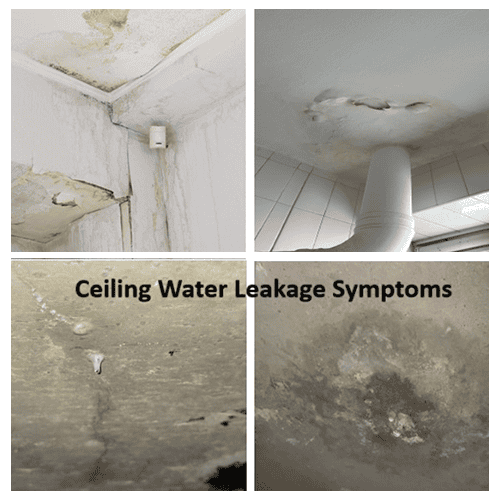
Ceiling water leakage symtoms start off from different identity such as water stains, blister or peeling paint, sagging ceiling, mold and more. Where such leakage are address with the right leakage solution. Identification of leakage symptoms, assessment of damage severity, and appropriate repair strategies for various property types, emphasizing the critical role of responsible parties and the selection of suitable waterproofing materials and techniques are important to solve leakages with the right method used in Singapore.
SWC Construction are expertise in PU injection grouting and the application of high-performance waterproofing membranes.
What are the Symptoms of Ceiling Water Leakage?
Identifying the signs of a ceiling water leak early is crucial to preventing extensive damage. Common symptoms include:
Visible Water Stains:
Discoloration on your ceiling, often yellowish-brown or dark patches, is a clear indicator of past or ongoing water leakage. These stains can appear in various shapes and sizes, depending on the source and extent of the leak.
Blistering or Peeling Paint:
Water damage can cause paint to bubble, blister, or peel away from the ceiling. This is a sign that moisture has penetrated the surface, weakening the paint’s adhesion.
Sagging or Buckling Ceiling:
If the water leak is significant, the ceiling may start to sag or buckle under the weight of the absorbed water. This is a serious issue that requires immediate attention.
Mold or Mildew Growth:
Damp conditions create the perfect breeding ground for mold and mildew. These can cause health problems and further structural damage. Look for black, green, or gray patches, often accompanied by a musty odor.
Cracks in the Ceiling:
While not always directly caused by water, cracks can be exacerbated by water damage and may indicate underlying structural issues contributing to the leak.
Water Dripping or Puddling:
This is the most obvious sign of a leak. Listen for dripping sounds, especially after rain or when using water-intensive appliances.
Musty Odor:
A persistent musty smell, even in the absence of visible signs, could indicate hidden moisture and potential water damage behind the ceiling.
How Do You Know If a Ceiling Leak Is Serious?
The seriousness of a ceiling leak depends on several factors:
- Extent of the Damage: A small stain might be easily repairable, whereas a large, sagging ceiling indicates significant structural damage.
- Source of the Leak: Identifying the source (e.g., a burst pipe, a faulty roof, or a plumbing issue) is crucial in determining the necessary repairs.
- Speed of Water Accumulation: A rapidly spreading leak requires immediate action to prevent further damage.
- Structural Integrity: If the leak compromises the structural integrity of the ceiling or surrounding areas, it’s a critical issue requiring professional assessment and repair.
- Mold Growth: Extensive mold growth indicates prolonged exposure to moisture, potentially leading to health risks and costly remediation.
Ceiling water leakage severity is assessed by evaluating visible damage, identifying the source (e.g., plumbing, roof, or waterproofing issues), and considering how quickly water accumulates. The impact on structural integrity, especially load-bearing areas, and the presence of mold—posing health risks—are also key factors in determining the urgency and type of repair needed.
What Happens If Water Leaks Through the Ceiling in Different Property Types?
The consequences of a ceiling water leak vary depending on the type of property:
HDB Flats:
Leaks often originate from plumbing issues in upper-floor units or from roof problems. Damage can affect ceilings, walls, and electrical wiring, potentially leading to costly repairs and disputes between neighbors.
Condominiums:
Leaks can stem from various sources, including faulty plumbing, roof problems, or waterproofing failures in balconies or terraces. Repair responsibilities often depend on the location of the leak (e.g., within the unit or a common area).
Landed Properties:
Leaks are often caused by roof problems, faulty gutters, or issues with external walls. Repair costs can be substantial, especially for extensive damage.
Commercial Properties:
Leaks can disrupt business operations and cause significant financial losses. Repair costs are generally higher due to the larger scale of the buildings and the potential impact on business continuity.
Responsibility for Fixing Ceiling Water Leaks
Determining responsibility for fixing a ceiling leak depends on the property type and the source of the leak:
HDB Flats:
The responsibility typically lies with the owner of the unit where the leak originates. However, if the leak is due to a common area problem (e.g., a faulty pipe in the common area), HDB will be responsible for the repair.
Condominiums:
Responsibilities are outlined in the management agreement. Leaks within a unit are typically the responsibility of the unit owner, whereas leaks in common areas are the responsibility of the management corporation.
Landed Properties:
The homeowner is generally responsible for all repairs, unless the damage is due to an external factor beyond their control (e.g., a major storm).
Remediation Strategies Approach to Repair
The remediation of ceiling water leakage necessitates a comprehensive and systematic approach. The initial step involves precise leak detection, employing various techniques including visual inspection, moisture meters, and advanced technologies such as thermal imaging. Once the source is identified, targeted repair is undertaken, which may involve plumbing repair, roof restoration, or the resealing of compromised joints. Subsequently, water damage remediation is critical, encompassing the removal of damaged materials, thorough cleaning, and the application of appropriate antimicrobial treatments to address mold growth. The application of a suitable waterproofing membrane is essential for long-term protection, creating a barrier against future moisture penetration. Finally, any necessary structural repairs to the ceiling are undertaken to restore its integrity and aesthetic appeal.
Choosing the Right Waterproofing Materials
Selecting appropriate waterproofing materials is crucial for long-term protection. Factors to consider include:
1. Type of Material:
Common options include polyurethane membranes, bitumen membranes, and cementitious coatings. The choice depends on the specific application and the type of surface being waterproofed.
2. Durability:
The material should withstand exposure to water, UV radiation, and temperature fluctuations.
3. Flexibility:
Flexibility is important to accommodate movement in the structure.
4. Adhesion:
The material should adhere strongly to the substrate to prevent leaks.
5. Compliance with BCA Standards:
Ensure the material meets Building and Construction Authority (BCA) standards for waterproofing.
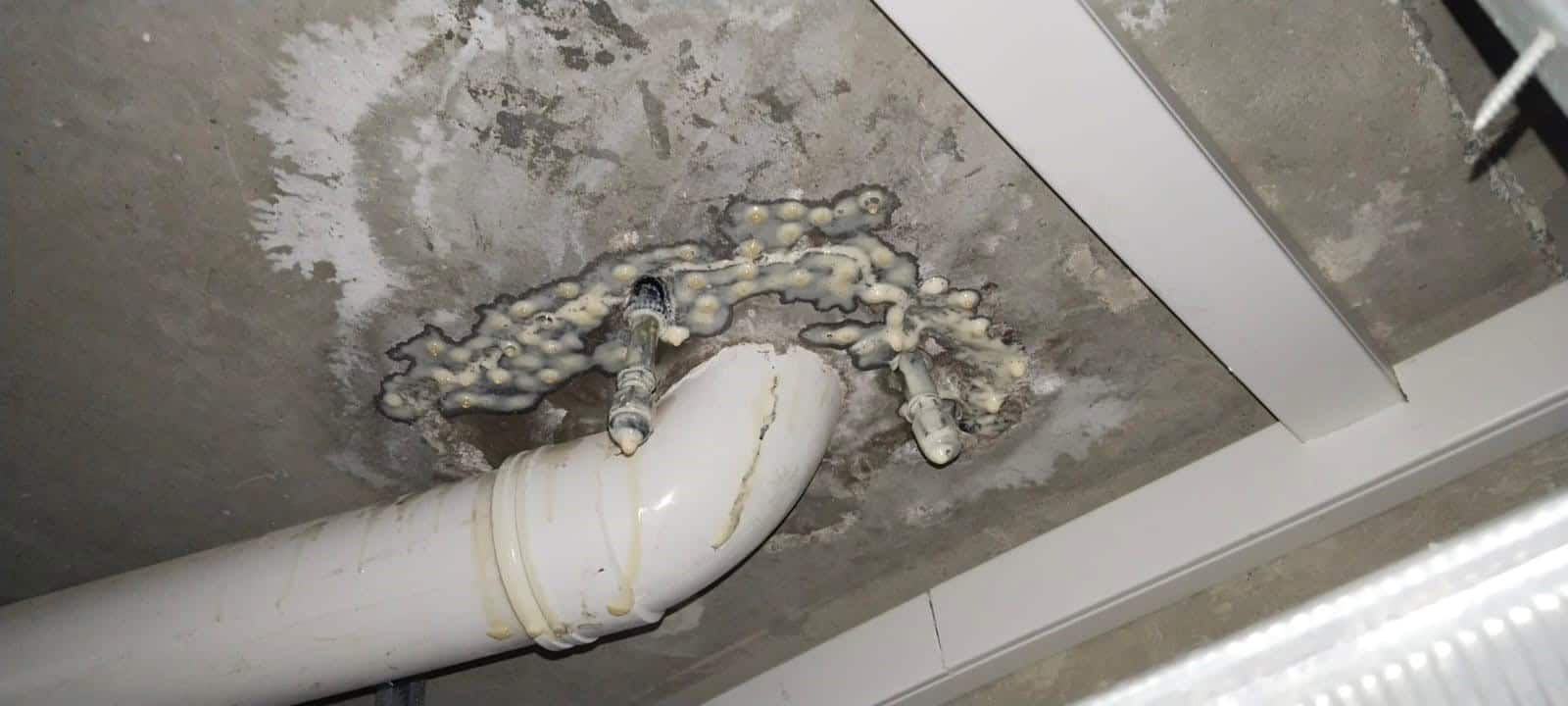
PU Injection Grouting for Waterproofing
Polyurethane (PU) injection grouting has emerged as a highly effective and versatile solution for resolving ceiling leaks, offering several advantages over traditional repair methods. Its effectiveness stems from its unique properties and its ability to address the root causes of leaks in a minimally invasive manner. PU injection grouting, its suitability for various ceiling leak scenarios, and its long-term performance characteristics.
PU injection grouting utilizes a two-component polyurethane resin system. When these components are mixed, a chemical reaction occurs, causing the resin to expand and foam. This expansion is crucial for its effectiveness in sealing cracks and voids within concrete or masonry structures. The process typically involves drilling small access holes into the affected area, inserting injection packers (small tubes), and then injecting the mixed resin under pressure. The expanding resin penetrates cracks and voids, filling them completely and creating a watertight seal. The cured polyurethane forms a durable, flexible, and chemically inert barrier, preventing further water ingress.
Advantages of PU Injection Grouting for Ceiling Leaks
Several factors contribute to the effectiveness of PU injection grouting for ceiling leaks:
1. Minimally Invasive:
Unlike traditional methods that often require extensive demolition and reconstruction, PU injection grouting is minimally invasive. Small access holes are sufficient, minimizing disruption and reducing repair time and costs.
2. Accessibility:
The low viscosity of the resin allows it to penetrate even the finest cracks and voids, making it suitable for inaccessible areas or those difficult to reach with traditional methods. This is particularly advantageous for ceiling leaks where access is limited.
3. Flexibility and Durability:
The cured polyurethane resin is highly flexible, accommodating structural movement and preventing the seal from cracking or failing over time. It is also chemically inert and resistant to degradation, ensuring long-term performance.
4. Strong Adhesion:
The resin adheres strongly to various substrates, including concrete, masonry, and other building materials, creating a robust and durable seal.
5. Rapid Curing:
The resin cures relatively quickly, allowing for faster project completion and minimizing disruption.
6. Cost-Effectiveness:
While the initial cost of PU injection grouting might seem higher than some traditional methods, the minimal disruption and long-term performance often make it a more cost-effective solution in the long run.
Long-Term Performance and Maintenance
Properly executed PU injection grouting provides a long-lasting solution for ceiling leaks. The cured polyurethane resin is resistant to degradation and maintains its structural integrity over time. Minimal maintenance is typically required, although regular inspections are recommended to detect any potential issues early.
Comparison with Traditional Methods
Traditional methods for repairing ceiling leaks often involve extensive demolition, removal of damaged materials, and reconstruction. These methods can be disruptive, time-consuming, and costly. PU injection grouting offers a superior alternative by providing a minimally invasive, effective, and long-lasting solution.
PU injection grouting offers a superior solution for addressing ceiling leaks due to its minimally invasive nature, its ability to access hard-to-reach areas, and its long-term performance characteristics. Its versatility makes it suitable for a wide range of scenarios, providing a cost-effective and durable solution compared to traditional repair methods. This makes it a valuable tool for property professionals and homeowners seeking a reliable and efficient solution to ceiling water leakage.
SWC Construction is a prominent waterproofing contractor in Singapore, recognized for our expertise in PU injection grouting and the utilization of high-performance waterproofing membranes. Our extensive experience in addressing ceiling water leakage across diverse property types—HDB flats, condominiums, and landed properties—establishes as a reliable partner for homeowners and property managers.
Our commitment to employing skilled technicians and utilizing advanced leak detection technologies ensures effective and long-lasting repairs. Our reputation for exceptional customer service and high-quality workmanship is well-documented in positive testimonials and reviews.
Partnering with SWC Construction for Reliable Waterproofing Solutions is the best choice, we address and provide a comprehensive approach, encompassing accurate diagnosis, appropriate remediation strategies, and the selection of high-quality waterproofing materials and techniques.
Our extensive experience in handling various property types in Singapore, coupled with our dedication to customer satisfaction, makes us a trusted partner for homeowners and property managers seeking effective and efficient solutions to water ingress challenges.
Don’t hesitate to contact SWC Construction for a consultation and a free quote. We are the experts you can trust to resolve your ceiling leak issues effectively and efficiently, providing peace of mind and lasting protection for your property. Remember, early detection and professional intervention are key to preventing extensive damage and costly repairs.