

Expansion joint waterproofing and sealing are essential maintenance works that help protect buildings from water leakage, concrete deterioration, and costly structural damage. Whether it is a residential condominium, HDB block, commercial building, rooftop, podium deck, or basement, proper waterproofing solutions are necessary to ensure long-term protection.
Over time, environmental conditions such as frequent heavy rainfall, high humidity, and constant exposure to heat in Singapore’s climate, can cause buildings to expand and contract, leading to structural movement and water seepage problems. One of the most vulnerable areas affected by this movement is the expansion joint. Proper waterproofing and sealing of expansion joints help maintain the integrity of rooftops, basements, podium decks, toilets, car parks, and external facades.
What is an Expansion Joint?
An expansion joint is a designed separation gap between building structures that allows movement caused by temperature changes, structural settlement, vibration, moisture changes, and wind loads. Buildings naturally expand and contract over time, and without expansion joints, the stress may cause cracks and structural damage.
Expansion joints are commonly found in:
• Roof slabs
• Podium decks
• External facades
• Basements
• Car parks
• Toilets and wet areas
• Bridges and walkways
Because these joints are constantly moving, they are highly prone to waterproofing failure if not properly sealed and maintained.
Why is Expansion Joint Waterproofing Important?
Expansion joints are one of the most common areas where water leakage occurs. Once the waterproofing system deteriorates, rainwater can penetrate through the joint and seep into the building structure.
Proper expansion joint waterproofing helps to:
• Prevent water seepage and leakage
• Protect concrete structures from deterioration
• Prevent reinforcement bar corrosion
• Reduce concrete spalling issues
• Prevent mould and mildew growth
• Extend the lifespan of the building
• Minimise costly repair works
In Singapore, waterproofing and sealing works are especially important due to the country’s frequent rainstorms and humid climate.
Importance of Early Detection
Early identification of expansion joint leakage can help prevent major structural damage and reduce long-term repair costs.
Ignoring minor seepage problems may eventually lead to:
• Severe water ingress
• Structural concrete deterioration
• Reinforcement bar corrosion
• Concrete spalling
• Interior damage
• Mould infestation
• Expensive rectification works
Engaging a professional waterproofing contractor for inspection and repair at an early stage is always recommended to ensure the waterproofing system remains effective and durable.
Common Signs of Expansion Joint Leakage
Expansion joint leakage problems usually develop gradually over time. In Singapore’s humid and rainy climate, damaged waterproofing systems can quickly worsen if left unattended. Early detection is extremely important because minor seepage issues can eventually lead to severe structural deterioration, expensive repair costs, and long-term water damage.
Below are some of the most common signs of expansion joint waterproofing failure that property owners, building managers, and MCST management should pay close attention to.
1. Water Seepage and Damp Patches
One of the earliest signs of expansion joint leakage is the appearance of water seepage or damp patches around the joint area. Moisture stains may appear on ceilings, walls, floors, or adjacent concrete surfaces.
These damp patches are often more noticeable after heavy rainfall and may gradually spread over time. In some cases, the affected surface may feel constantly wet or cold due to trapped moisture within the concrete structure.
Water seepage is a strong indication that the waterproofing membrane or sealant at the expansion joint has deteriorated and is no longer effectively preventing water penetration.
2. Ceiling Leakage and Water Dripping
Ceiling leakage is another common symptom of failed expansion joint waterproofing, especially in rooftops, balconies, podium decks, and upper-floor structures.
Property owners may notice:
• Water dripping from ceilings
• Water stains spreading across the ceiling surface
• Bubbling paint or plaster
• Persistent moisture after rainfall
In severe cases, water may continuously drip during rainy periods, affecting lighting fixtures, electrical systems, and interior finishes.
Ceiling leakage should never be ignored because prolonged exposure to moisture can weaken the structural concrete and create additional waterproofing problems.
3. Cracked, Brittle, or Detached Sealant
Expansion joints are constantly subjected to structural movement caused by thermal expansion and contraction. Over time, the existing sealant may lose its flexibility due to aging, UV exposure, and weathering.
Common signs of sealant deterioration include:
• Visible cracks along the sealant surface
• Shrinkage gaps between the sealant and concrete
• Hardened or brittle sealant texture
• Peeling or detachment from the joint edges
Once the sealant loses its elasticity, rainwater can easily penetrate through the joint and enter the building structure.
Regular inspection of expansion joint sealants is important to prevent water ingress and leakage issues.
4. Concrete Cracks Around Expansion Joints
Cracks forming near the expansion joint area may indicate excessive structural movement or waterproofing failure.
These cracks can appear as:
• Hairline cracks
• Surface cracks
• Wider structural cracks
• Cracks along joint edges
When water enters through these cracks, it can worsen the deterioration process and increase the risk of reinforcement bar corrosion.
Cracked concrete around expansion joints should be professionally inspected to determine whether waterproofing repair or structural repair is required.
5. Concrete Spalling and Rust Stains
One of the more serious signs of prolonged water leakage is concrete spalling. This occurs when water penetrates the concrete and reaches the embedded steel reinforcement bars.
Over time, the reinforcement bars begin to corrode and expand, causing the surrounding concrete to crack, bulge, and eventually fall off.
Common signs of concrete spalling include:
• Chipped or broken concrete
• Exposed reinforcement bars
• Hollow concrete sounds
• Rust-coloured stains on walls or ceilings
Concrete spalling is a serious safety concern because loose concrete pieces may fall unexpectedly. Immediate waterproofing repair and concrete restoration works are usually required.
6. Mould, Mildew, and Musty Odours
Persistent moisture caused by water seepage creates an ideal environment for mould and mildew growth.
Signs include:
• Black mould spots on walls or ceilings
• Greenish mildew formation
• Musty or damp odours
• Discoloration on painted surfaces
Besides damaging the building interior, mould growth may also affect indoor air quality and cause health concerns for occupants.
This is especially common in poorly ventilated areas such as basements, toilets, storerooms, and enclosed car parks.
7. Peeling Paint and Bubbling Wall Finishes
Water intrusion behind painted surfaces often causes paint failure and wall finish deterioration.
Common symptoms include:
• Peeling paint
• Bubbling paint surface
• Flaking plaster
• Discoloured wall finishes
• Soft or swollen gypsum board
These problems occur because trapped moisture weakens the bond between the paint coating and the wall surface.
Although repainting may temporarily improve the appearance, the underlying waterproofing issue must be resolved to prevent recurring damage.
8. Ponding Water Near Expansion Joints
Poor drainage and uneven surfaces near expansion joints can result in water ponding after rainfall.
Standing water increases the risk of waterproofing failure because prolonged exposure to moisture places additional stress on the waterproofing membrane and sealant system.
Over time, ponding water can accelerate:
• Membrane deterioration
• Sealant breakdown
• Concrete cracking
• Water penetration into the structure
Proper drainage design and regular maintenance are important to minimise water accumulation around expansion joints.
9. Efflorescence and White Powder Stains
Efflorescence is a white powdery substance that appears on concrete or masonry surfaces when water carries dissolved salts to the surface.
This is often a sign of ongoing water seepage within the concrete structure.
Although efflorescence itself is not structurally dangerous, it indicates that moisture is penetrating the building and that waterproofing repairs may be necessary.
10. Increased Leakage During Heavy Rainfall
Some expansion joint leakage problems may only become noticeable during periods of heavy rain.
Property owners may observe:
• Sudden water seepage during storms
• Temporary ceiling leakage after rainfall
• Water stains worsening after rain
• Dampness appearing intermittently
This usually indicates that the waterproofing system has partially failed and can no longer withstand prolonged rain exposure.
In Singapore’s tropical climate, such leakage problems can worsen rapidly if repairs are delayed.
Common Causes of Expansion Joint Waterproofing Failure
There are several common causes of expansion joint leakage problems in Singapore.
1. Aging Waterproofing Materials
Most waterproofing systems have a limited lifespan. Over time, waterproofing membranes and sealants deteriorate due to weather exposure and aging.
2. Structural Movement
Constant building movement places stress on the waterproofing system and may create gaps for water penetration.
3. Poor Workmanship
Improper application of waterproofing membrane or sealant can result in weak bonding and premature leakage problems.
4. Inadequate Surface Preparation
If the joint surface is not properly cleaned and prepared before installation, the waterproofing system may fail prematurely.
5. Heavy Rainfall Exposure
Singapore experiences frequent heavy rain throughout the year, increasing the risk of water ingress through failed joints.
Types of Expansion Joint Waterproofing Methods in Singapore
Several expansion joint waterproofing and sealing methods are commonly used in Singapore depending on the severity of the water leakage, structural movement requirements, and the overall condition of the building. Selecting the appropriate waterproofing system is important to ensure long-term protection against water seepage and structural deterioration. Professional waterproofing contractors will typically recommend different waterproofing solutions based on the type of expansion joint, location of the leakage, and exposure to environmental conditions such as heavy rainfall and UV exposure.

PU Injection Grouting
PU injection grouting is a highly effective non-hacking waterproofing repair method commonly used in Singapore for active water leakage problems. This method is particularly suitable when water is actively seeping through cracks, joints, or concrete structures.
The repair process involves injecting polyurethane grout into leaking cracks or expansion joints using specialised injection equipment. Once injected, the polyurethane material reacts with water and expands to fill the gaps, effectively stopping water seepage within the structure.
One of the key advantages of PU injection grouting is that it is a non-hacking waterproofing solution. This means repair works can be carried out without removing existing floor finishes or hacking concrete surfaces, reducing disruption and repair costs. PU injection grouting is also known for its fast repair process and ability to effectively stop active water leakage.
This waterproofing method is commonly used for basement leakage repair, retaining wall leakage, concrete crack repair, tunnel waterproofing, toilet leakage repair, and expansion joint leakage repair in Singapore. PU injection grouting is widely regarded as one of the most efficient waterproofing repair methods for active water ingress problems.
PU Sealant Waterproofing
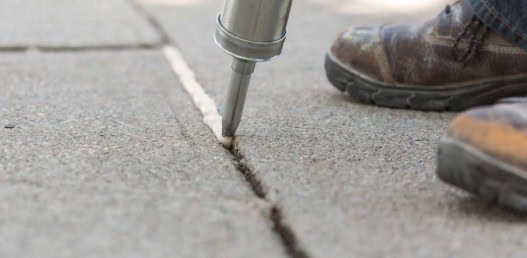
Polyurethane (PU) sealant waterproofing is one of the most commonly used methods for expansion joint sealing in Singapore. PU sealants are highly flexible materials designed to accommodate continuous structural movement while maintaining a watertight seal. Due to Singapore’s tropical climate and frequent temperature changes, buildings naturally expand and contract over time. PU sealants are able to withstand this movement without cracking easily, making them highly suitable for expansion joint applications.
One of the main advantages of PU sealants is their excellent flexibility and elasticity, which allows them to absorb structural movement effectively. In addition, PU sealants provide strong adhesion to various construction materials such as concrete, metal, and masonry surfaces. They are also resistant to UV exposure, weathering, and moisture, making them suitable for both internal and external waterproofing applications.
PU sealant waterproofing is widely used for roof waterproofing, facade waterproofing, balcony waterproofing, and podium deck waterproofing works in Singapore. When properly installed by an experienced waterproofing contractor, PU sealants can provide durable and long-lasting waterproofing protection for expansion joints.

Clear Penetrative Treatment (CPT)
Waterproofing membrane systems are another commonly used method for expansion joint waterproofing in Singapore. These systems involve applying a waterproof solution over the joint area to create a continuous waterproof barrier that prevents water penetration into the building structure.
There are several types of waterproofing membrane systems available, including Clear Penetrative Treatment, torch-on membrane, acrylic waterproofing membrane, and cementitious waterproofing membrane. Each type of membrane has its own advantages depending on the application area and exposure conditions.
Clear Penetrative Treatment (CPT) are highly flexible and suitable for areas exposed to movement and weather conditions. Torch-on membranes are commonly used for rooftop waterproofing because of their durability and strong waterproofing performance. Acrylic waterproofing membranes are often used for exposed surfaces due to their UV resistance, while cementitious waterproofing membranes are commonly applied in wet areas and concrete structures.
Waterproofing membrane systems are widely used for rooftop waterproofing, balcony waterproofing, planter box waterproofing, and podium deck waterproofing works. These membrane systems help protect the building structure from long-term water seepage and moisture damage.
Choosing your Waterproofing Type Based on Different Solution is Critical
Choosing a reliable waterproofing contractor for expansion joint waterproofing in Singapore is important to ensure effective and long-lasting protection against water leakage and structural damage. Since expansion joints are constantly exposed to structural movement, heavy rainfall, and weather conditions, the waterproofing works require proper technical knowledge, quality materials, and skilled workmanship. Property owners should look for contractors with proven experience in expansion joint waterproofing and sealing works, as experienced contractors are more familiar with identifying leakage sources and recommending suitable waterproofing repair methods.
A reliable waterproofing contractor should also conduct a proper site inspection before proposing any repair solution to ensure the actual cause of the leakage is accurately diagnosed. In addition, it is important to check whether the contractor uses high-quality waterproofing materials such as PU sealants, waterproofing membranes, and PU injection grouting systems that are suitable for Singapore’s climate conditions.
Skilled workmanship, proper surface preparation, and correct waterproofing application techniques are essential to ensure durable waterproofing performance. Property owners should also review customer feedback, previous waterproofing projects, and warranty support provided by the contractor.
Engaging a licensed and experienced waterproofing specialist like SWC Construction, helps minimise recurring leakage problems and ensures the expansion joint waterproofing repair works are professionally carried out according to industry standards in Singapore.
For reliable and professional service, engage SWC Construction as your trusted waterproofing specialist for expansion joint waterproofing works in Singapore.